

When Australian couples start researching destination weddings, Bali is rarely the only name on the list. Thailand comes up constantly. Sri Lanka has had a moment. Vietnam comes up. Fiji feels geographically logical. And for a while, each of these places can seem like a credible alternative to a Bali vs Southeast Asia wedding destinations comparison.
I’ve been photographing weddings in Bali since 2010 and have talked to enough couples — before, during, and after — to understand how this decision gets made. What starts as an open comparison usually narrows quickly, and it narrows in Bali’s direction more often than not. However, this isn’t always for the reasons most wedding content will tell you.
This is an honest comparison. Bali wins some categories clearly. In others, the gap is smaller than the marketing suggests. Additionally, there are a handful of couples for whom a different destination genuinely makes more sense. I’ll tell you which is which.
The Bali vs Southeast Asia Wedding Destinations Shortlist
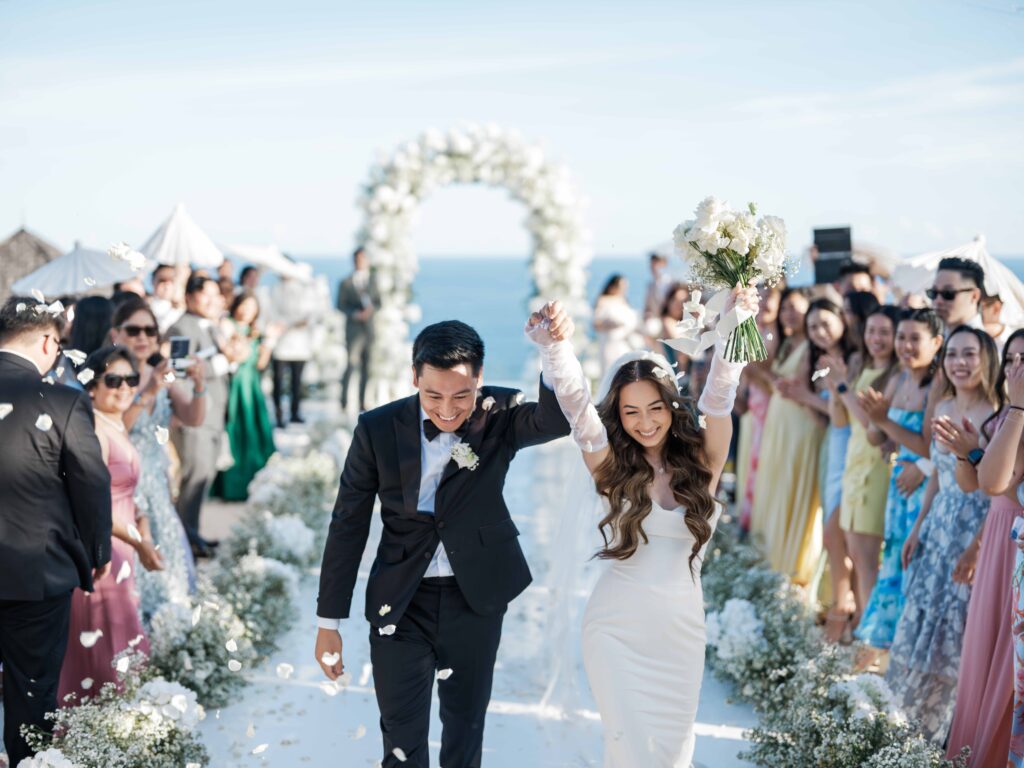
Not every Southeast Asian destination gets equal consideration. Based on the couples I speak with, the realistic shortlist tends to include:
Bali — the default front-runner for most Australian couples, for reasons that are mostly justified.
Phuket and Koh Samui, Thailand — the closest competitor in terms of wedding infrastructure and international profile.
Sri Lanka — increasingly popular since around 2019, particularly among couples who want something less mainstream.
Hoi An, Vietnam — appealing for its aesthetic and its price point, less developed as a wedding destination.
Fiji — geographically close, emotionally appealing, but with real practical limitations that couples often overlook.
Each of these destinations is worth taking seriously. None of them is a bad choice in isolation. The question is which one is the right choice for you specifically — and that depends on factors most comparison articles don’t address honestly.
Flight Time and Logistics from Australia
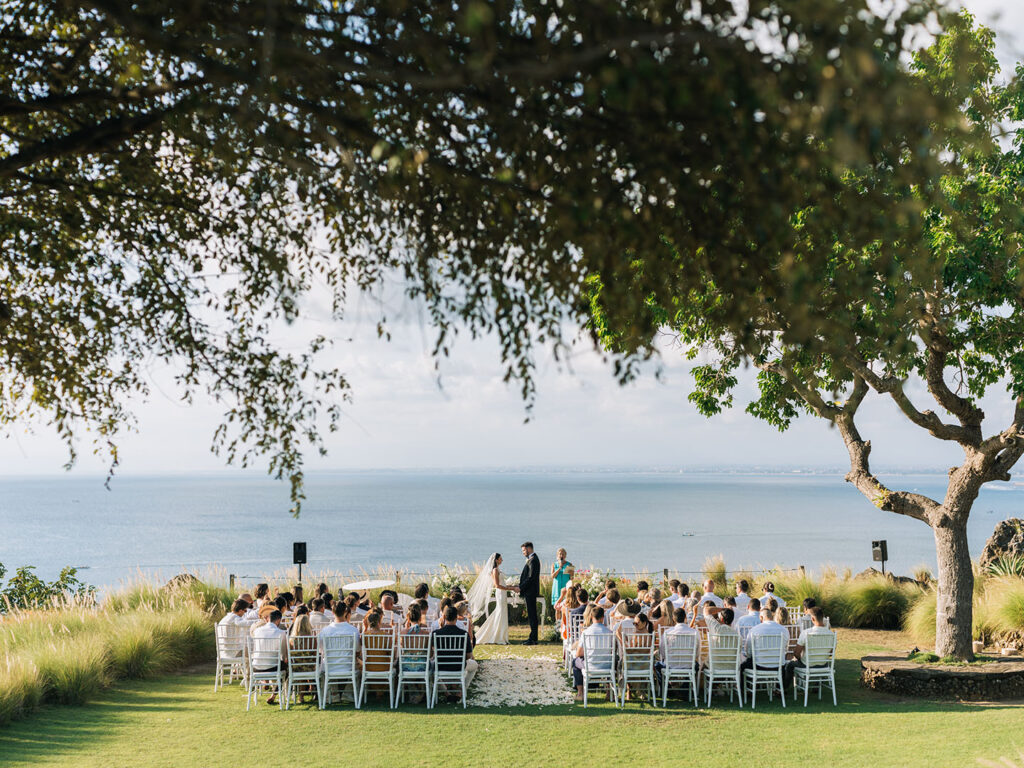
This is where the comparison gets concrete fast, and it matters more than people admit in the early stages of planning.
Bali is three to five hours from Australia’s major cities. Direct flights operate from Sydney, Melbourne, Brisbane, and Perth on multiple carriers. It’s one of the most accessible international destinations on the planet from the Australian east coast. For example, guests with limited leave, older family members, or young children can make the trip without it being a significant undertaking.
Thailand is six to nine hours, with most routes requiring a connection. Phuket has direct flights from some Australian cities, but the options are more limited and less frequent than Bali. For guests who are already committed, this isn’t a dealbreaker — but it raises the planning complexity and the cost for everyone travelling.
Sri Lanka is nine to eleven hours from Australia, usually with at least one connection. The journey is manageable, but it’s a genuinely long trip. Some guests who would happily go to Bali will decline Sri Lanka for this reason alone. That’s a real consideration for any couple who cares about their attendance rate.
Vietnam is roughly seven to nine hours with connections. Fiji is actually closer at around four hours from Sydney. Flight options remain limited and prices are surprisingly high, which undercuts the geographical advantage.
Verdict: Bali wins this category clearly, and the advantage compounds when you factor in guests. Every hour added to a journey reduces attendance for someone. Furthermore, Bali’s accessibility is a structural advantage that no other destination in this comparison fully matches.
Wedding Infrastructure and Vendor Depth
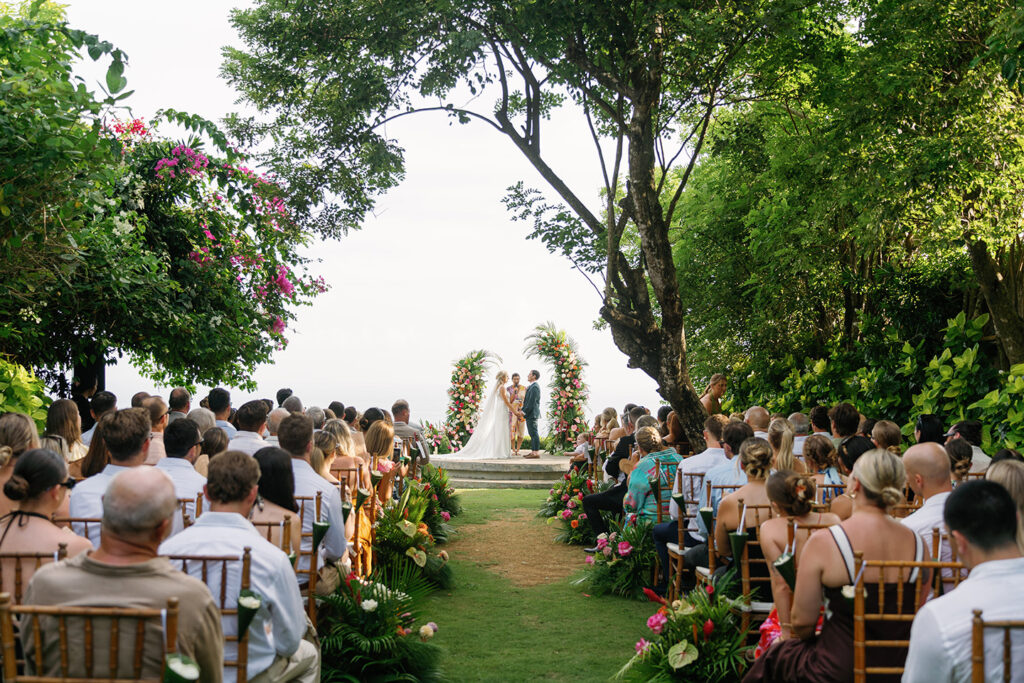
This is the category that separates serious wedding destinations from places that host weddings but aren’t built for them.
Bali developed dedicated wedding infrastructure from the 1990s onward. There are experienced coordinators, purpose-built clifftop venues, florists working with international aesthetics, and photographers who understand editorial versus documentary work. The vendor network has processed hundreds of thousands of weddings. When something goes wrong — and something always does — experienced people fix it fast. The couple never needs to know it happened.
Thailand, particularly Phuket and Koh Samui, has comparable infrastructure in the luxury resort segment. If you’re getting married at a five-star resort with its own wedding team, Thailand can match Bali’s execution quality. In contrast, the gap appears when couples want something outside the resort system — independent venues, local vendors, more creative freedom. Bali’s independent wedding ecosystem is deeper and more varied.
How Other Bali vs Southeast Asia Wedding Destinations Stack Up
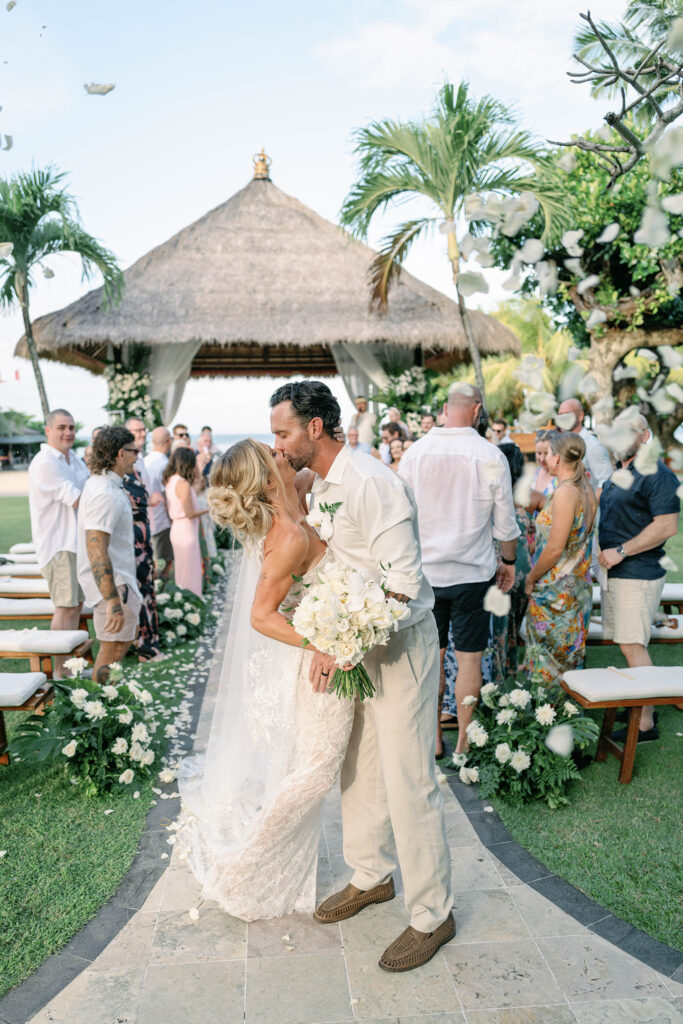
Sri Lanka has a growing number of wedding vendors and some genuinely extraordinary venues. These include colonial tea estates, cliff-edge properties, and historic houses with no equivalent in Bali. However, the vendor depth is significantly thinner. Finding a coordinator with thirty Bali weddings of experience is easy. Finding the equivalent in Sri Lanka takes considerably more research.
Vietnam’s wedding industry still lags behind Bali and Thailand in development. Hoi An in particular has some beautiful venues, but the coordinator and vendor network for international couples is less mature. Because of this, more of the planning work falls on the couple and requires more tolerance for uncertainty.
Fiji has high-quality resort weddings but a very limited independent venue and vendor market. You’re largely committing to a resort package, which suits some couples and constrains others.
Verdict: Bali and Thailand (luxury resorts) are roughly equal at the top of the market. Additionally, Bali has a significant advantage in independent venue and vendor depth for couples who want more creative control.
The Photography Landscape
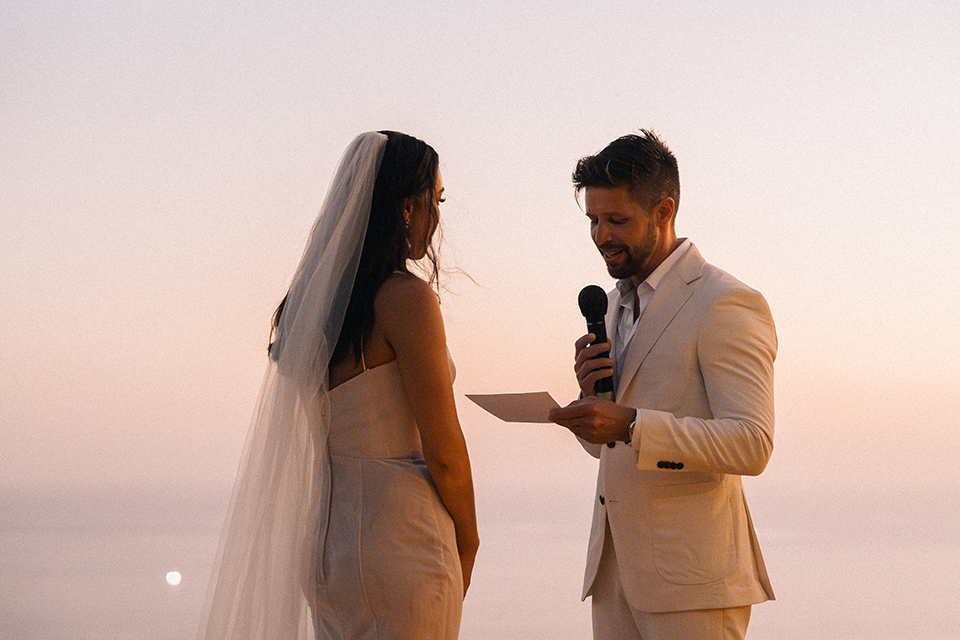
I’ll be direct: I’ve photographed in Bali for fifteen years. The photographic environment here is exceptional in ways that venue photos don’t fully capture.
The landscape variety is the first factor. In Bali, a single wedding day can move from a clifftop ceremony to a rice terrace portrait session to a beachfront reception. Nobody travels more than forty minutes. The backdrops shift dramatically across the island, and this keeps the visual story moving.
The light in Bali’s dry season — May through October — is consistent, warm, and directional in the late afternoon. It’s the kind of light that requires almost no manipulation to produce images that look considered. This isn’t unique to Bali, but it’s more reliably consistent here than in most competing destinations.
Thailand has extraordinary photography locations, particularly around Phuket’s limestone karsts and Koh Samui’s beaches. The challenge is that many of these locations have attracted heavy photography traffic, and differentiating from the visual noise requires more effort. Sri Lanka offers some genuinely unique photography opportunities — particularly in the hill country — that have a distinct aesthetic advantage over Bali. If originality of visual setting is a priority, Sri Lanka deserves serious consideration on this front alone.
Vietnam’s Hoi An has a strong photographic aesthetic, particularly the old town lanterns and the rice fields of the surrounding countryside. Fiji is beautiful but photographically limited. The ocean and beach settings are stunning, but there’s less visual range across a full wedding day.
Verdict: Bali is the most consistently strong photography environment across a full wedding day. Furthermore, Sri Lanka is the most visually distinctive option for couples who want something genuinely different from the established Bali aesthetic.
Value and Budget
This bali vs southeast asia wedding destinations comparison is more nuanced than most wedding guides acknowledge, because “value” means different things depending on what you’re buying.
Bali offers exceptional value in the mid-to-upper range. A well-produced wedding with sixty to eighty guests, a quality venue, coordinator, photographer, florals, and catering can happen at a price point that would be impossible in Australia. The exchange rate, local cost of skilled labour, and competition between vendors all work in the couple’s favour.
Thailand at the resort level is more expensive than most couples expect — particularly for alcohol and imported goods, which carry significant markup. Vietnam offers the most competitive pricing of all the destinations on this list, which is part of its appeal for budget-conscious couples. Fiji is surprisingly expensive. Limited options and high import costs mean a Fiji wedding often costs more than a comparable Bali wedding, despite the proximity.
Sri Lanka falls between Bali and Thailand in overall cost. Extraordinary venue value is offset by higher coordination costs due to thinner vendor competition.
Verdict: Bali offers the best combination of value and production quality in the mid-to-upper market. Vietnam offers the best absolute price point. In contrast, Fiji is the most expensive option relative to what’s delivered.
Cultural Experience and Setting
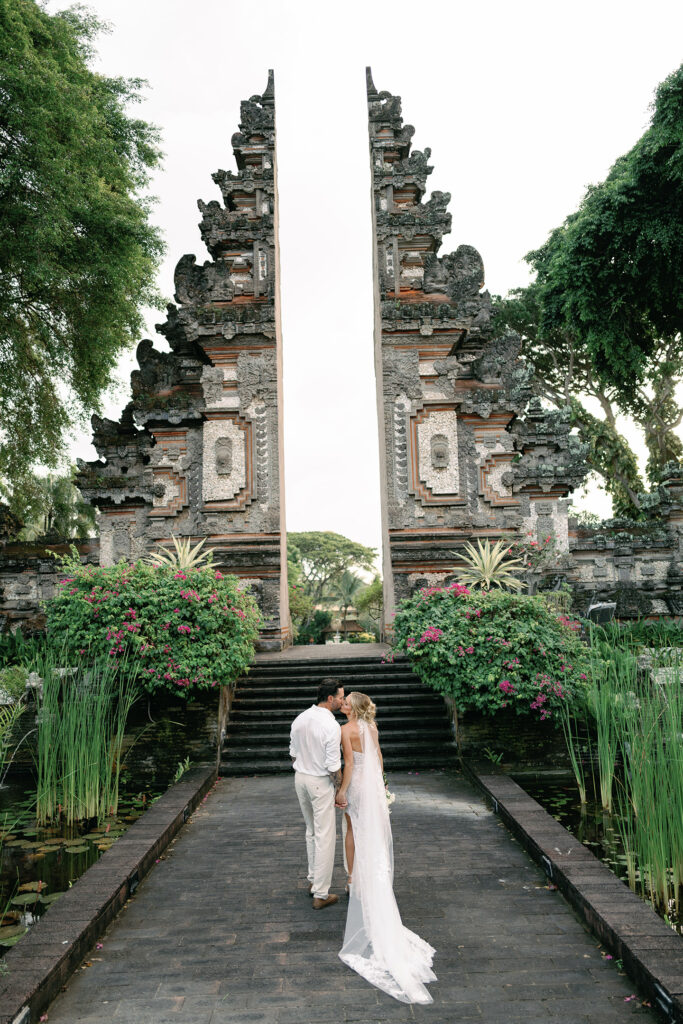
This is where the bali vs southeast asia wedding destinations comparison becomes most subjective, because different couples want fundamentally different things from a destination.
Bali’s culture weaves genuinely into the wedding experience. The offerings at temples, the gamelan, the presence of ceremony in daily Balinese life — these aren’t decorative elements. They’re the ambient texture of the place. A wedding in Bali happens inside a living culture, not in front of it.
Thailand has a rich culture. The parts most accessible to destination weddings — Phuket and Koh Samui resort areas — are more touristically developed and less culturally immersive than rural Bali. This isn’t a criticism of Thailand; it’s a structural difference in how tourism has developed in each place.
Sri Lanka’s cultural depth is extraordinary — ancient temples, colonial architecture, tea plantations, a layered history that’s genuinely different from anything in Southeast Asia. For couples who want a setting with cultural texture they’ve never encountered before, Sri Lanka stands out above all the rest.
Vietnam’s Hoi An has a compelling cultural identity, and it’s a genuinely beautiful town. The surrounding countryside is extraordinary. As a wedding destination, it’s still finding its identity, which presents either a problem or an advantage depending on the couple.
Fiji’s appeal is largely natural rather than cultural — the water, the beaches, the remoteness. The cultural experience is warm and genuine but less layered than the Asian destinations.
Verdict: Bali and Sri Lanka lead on cultural depth and integration. Additionally, Bali has the advantage of being more accessible and more developed as a wedding destination.
Legal and Practical Considerations
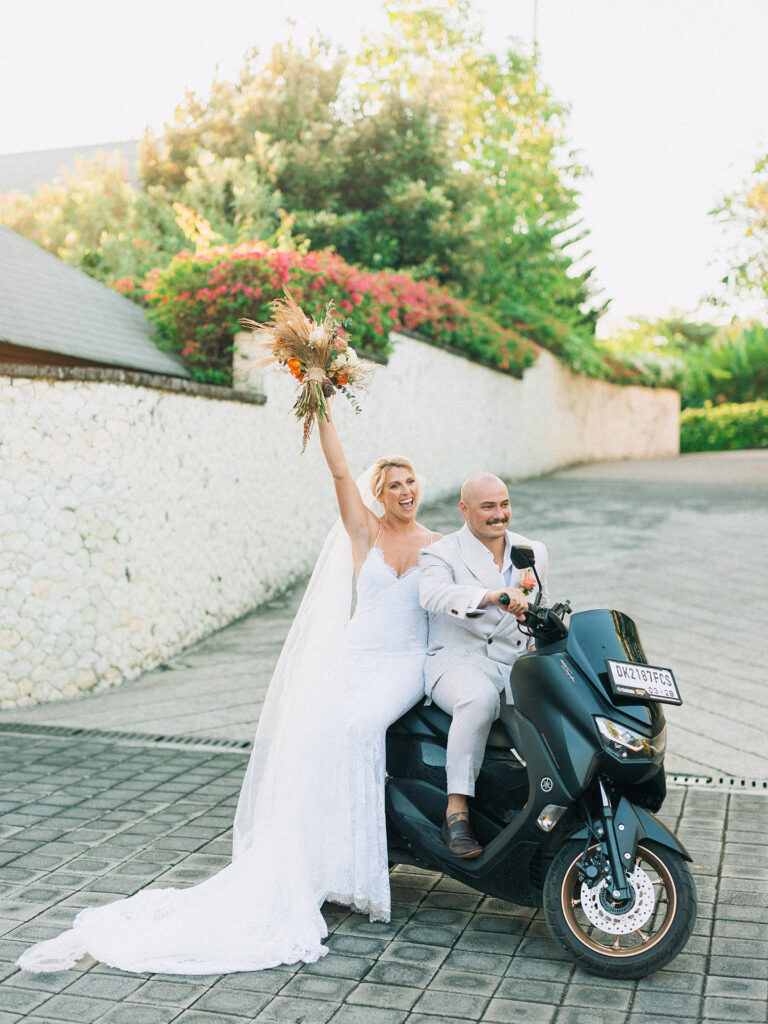
One area rarely covered in destination wedding comparisons matters enormously: how straightforward it is to get married — or hold a symbolic ceremony — in each destination.
Bali has a well-established symbolic ceremony framework that the majority of international couples use. The process is clearly understood by every coordinator on the island, the paperwork is manageable, and the celebrant network is deep. Most Australian couples register their marriage in Australia before or after the Bali ceremony and treat the Bali event as the celebration itself. This is entirely standard and doesn’t diminish the ceremony in any way.
Thailand has a similar symbolic ceremony framework, and the resort wedding teams are experienced at navigating it. Sri Lanka’s process is more variable. It depends significantly on having a coordinator with specific experience managing international paperwork. Vietnam’s legal landscape for foreign weddings is more complex and requires careful navigation. Fiji is actually one of the more legally accessible destinations for Australians wanting a legally registered marriage abroad — the requirements align reasonably well with Australian documentation. For more details on travel requirements, refer to the Australian Government’s Smartraveller website.
The practical consideration that couples often overlook is what happens when something goes wrong. In Bali, the density of experienced coordinators and vendors means experienced people solve problems quickly before the couple notices. In less mature wedding markets, a vendor failure, a weather issue, or a logistical problem can become a genuine crisis because there’s no established system for recovery.
This isn’t a theoretical risk. Things go wrong at weddings in every destination. The question is whether the local infrastructure can absorb those problems without the couple feeling them. Because Bali’s infrastructure is so well-developed, it absorbs them. Most competitors’ infrastructure is still developing that capacity.
What Australian Couples Actually Report
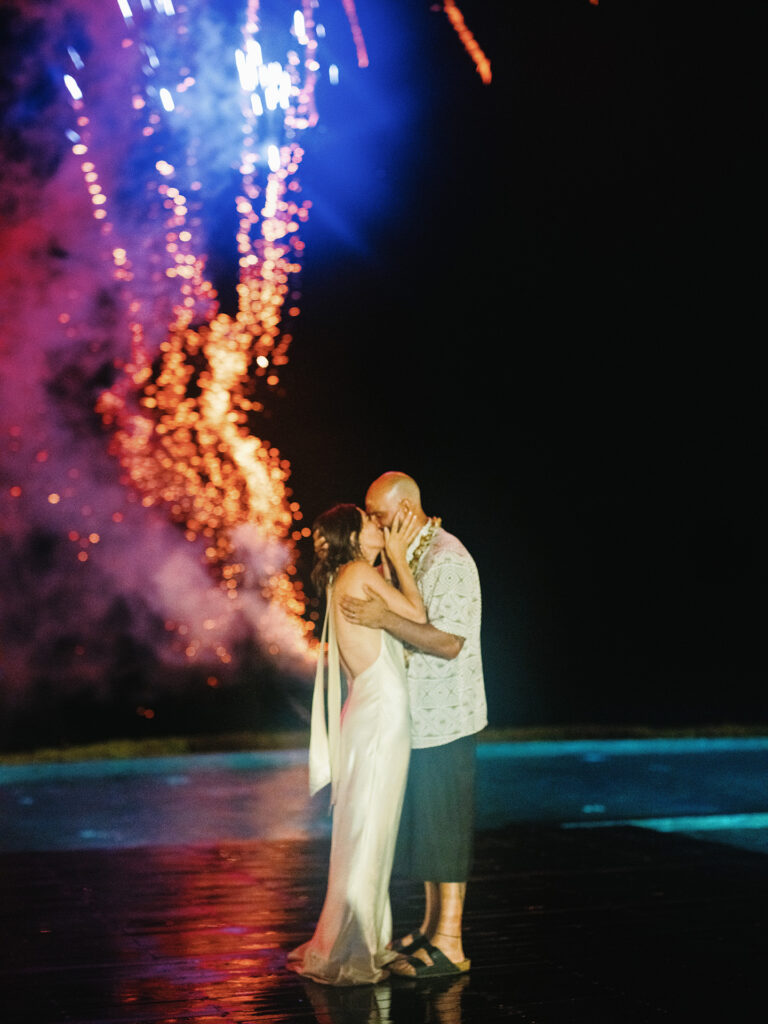
After talking with couples researching bali vs southeast asia wedding destinations and some who’ve considered alternatives seriously, a few patterns emerge consistently.
The couples who chose Bali and would choose it again almost always cite the same things. They mention the ease of planning once the right coordinator was in place, the way the day ran, and — most commonly — how their guests responded. Guests who travelled to Bali for a wedding consistently describe it as one of the best trips they’ve taken. The destination amplifies the event in a way that guests at domestic weddings simply don’t experience.
The couples who genuinely preferred a different destination tend to fall into specific categories. Some wanted a smaller, more remote experience. For them, Fiji or a Sri Lankan tea estate delivered something private and intimate. Others had guest lists that skewed European, making Thailand or Sri Lanka more geographically logical. A smaller group chose Vietnam specifically for its price point and came away happy with the trade-offs they’d made.
What’s notably rare is a couple who chose Bali, had a well-planned wedding with experienced vendors, and came away wishing they’d gone somewhere else. The destination is that consistent.
Bali vs Southeast Asia Wedding Destinations: The Honest Bottom Line
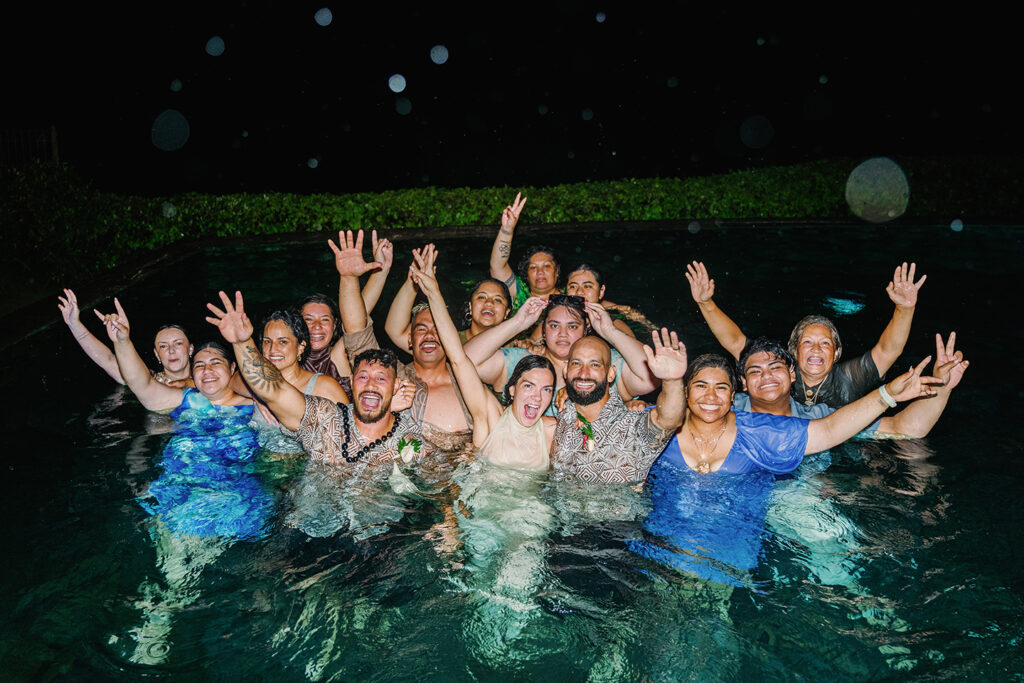
When it comes to bali vs southeast asia wedding destinations, Bali is the right choice for most Australian couples. No other destination matches Bali on flight time, vendor depth, landscape variety, and value combined. The wedding industry here refined itself over decades, and that refinement shows in how days actually run.
When Another Destination Might Suit You Better
However, there are couples for whom a different destination makes genuine sense:
If you want a visual setting that stands apart from the established Bali aesthetic, Sri Lanka is worth serious consideration. Couples with guest lists largely based in Europe may find that Thailand’s profile works better geographically. For those where budget is the primary driver, Vietnam offers the most competitive pricing. Guests largely based in New Zealand or the Pacific Islands make Fiji’s geography more practical.
The happiest couples matched their decision to their actual priorities. They chose based on real needs — not the destination with the best branding or most Instagram traffic.
Bali’s Instagram traffic is significant. So is the quality behind it.
If you’re deciding whether Bali suits you, take a look at why Australian couples choose Bali for their wedding for a detailed breakdown of what drives that decision. If you’ve already decided and want to understand the planning process, our destination wedding planning guide for Australian couples covers the practical side in detail.
And if you’re ready to look at specific venues, the best Bali wedding venues for Australian couples article covers the properties I’ve worked in most. Each entry includes honest notes on what it actually delivers.
When you’re ready to talk through your plans, get in touch here.


