

What It’s Like Working With a Documentary Wedding Photographer in Bali
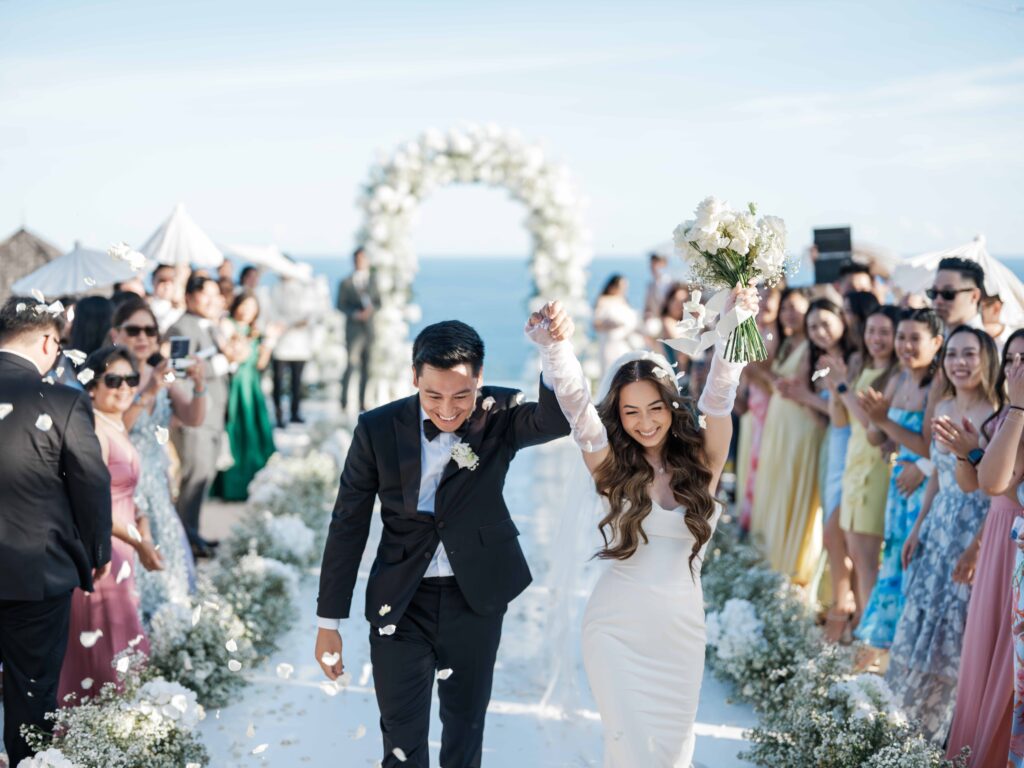
Most couples spend weeks looking at photographs before choosing a documentary wedding photographer in Bali or anywhere else. They compare portfolios, study editing styles, read reviews. All of that makes sense.
But almost nobody asks the question that actually matters most: what will this feel like on my wedding day?
Not what will the photos look like. What will it feel like to have this person in the room while you’re getting ready, standing near you during the ceremony, at the edge of your reception for eight hours?
Working with a documentary wedding photographer in Bali feels fundamentally different from working with a traditional one. The difference is not just aesthetic. It’s physical — in how the day moves, how you carry yourself, how much of your attention goes to the camera versus the people around you.
This is what that experience actually looks like.
What a documentary wedding photographer in Bali actually does on your wedding day
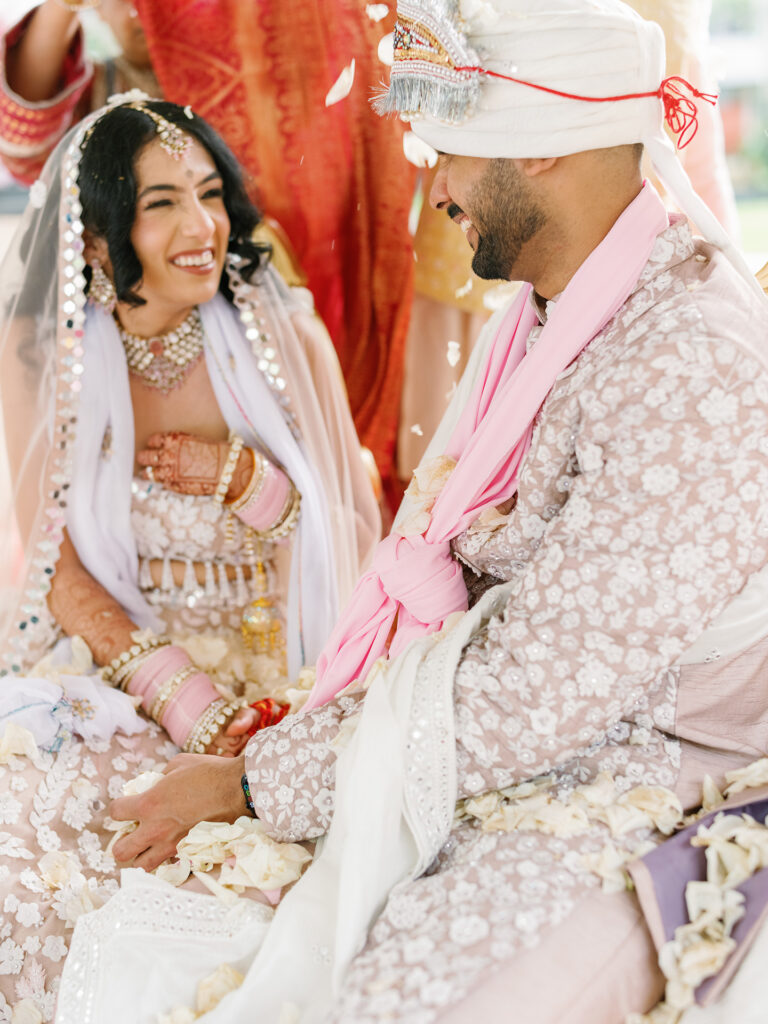
The first thing most couples notice when working with a documentary wedding photographer in Bali is how little direction they receive.
We don’t position people. We don’t call out “look over here” or “put your hand on her shoulder.” We move around the room — quietly, without announcing ourselves — and we wait for the moments that are already happening to become photographs.
During the getting-ready hour, this means sitting back while you talk to your bridesmaids. While your mother does up your buttons. While your partner reads a note you left them in the other room. We’re not setting these moments up. We’re watching for them to unfold, because they will — and when they do, they’re worth a hundred times more than anything we could have constructed.
This approach takes some adjustment. Most people have been photographed in a directed way their entire lives — school photos, family portraits, social media shoots where someone is always positioning them. The instinct when a camera appears is to freeze, or to smile, or to look for instruction.
The adjustment with documentary photography is learning to ignore the camera. That’s not a passive thing. It’s something that builds over the course of the day, and it’s why the images from the end of a wedding day are often better than the ones from the beginning — by the reception, people have genuinely forgotten we’re there.
For couples hiring a documentary wedding photographer in Bali specifically, this plays out in ways that are particular to the island. The light changes fast — a ceremony that starts in harsh afternoon sun can shift to extraordinary golden light within twenty minutes. A documentary wedding photographer in Bali needs to be moving and anticipating constantly, not locked into a shot list. The flexibility of the documentary approach is not just a philosophy. In Bali’s environment, it’s a practical necessity.
How the day actually flows: eight modes, one wedding
Most people imagine a wedding photographer as someone who does one thing all day. Either they’re documentary — hanging back, observing — or they’re directing — building shots, managing people.
The reality of how we work at Luxima is more specific than either of those descriptions. The day moves through distinct phases, and the approach shifts with each one. Here is what that actually looks like from the inside.
Details first. Before anyone is dressed, we move through the details — the rings, the shoes, the dress laid out, the bouquet, the invitations. These are not organic. We arrange them, light them, compose them. This is the one part of the day where we are fully in editorial mode — making deliberate decisions about how things look rather than waiting for things to happen. These images set the visual tone for the entire gallery.
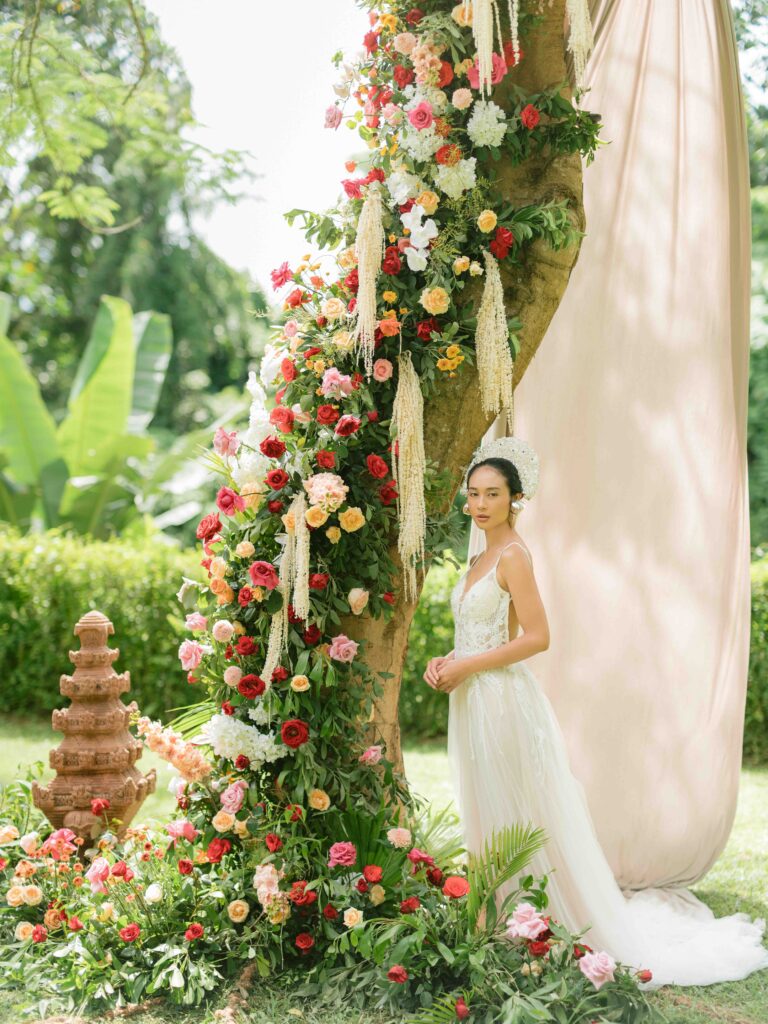
Getting ready — organic and observational. Once people are in the room, we step back completely. The getting-ready session is pure documentary. We let the bridesmaids do what bridesmaids do. We let the mother of the bride be nervous and proud at the same time. We let your partner sit quietly in the other room with their thoughts. We are watching, not directing. The frames from this section are almost always among the most emotional in the final gallery — because they capture something that was actually happening, not something we constructed.
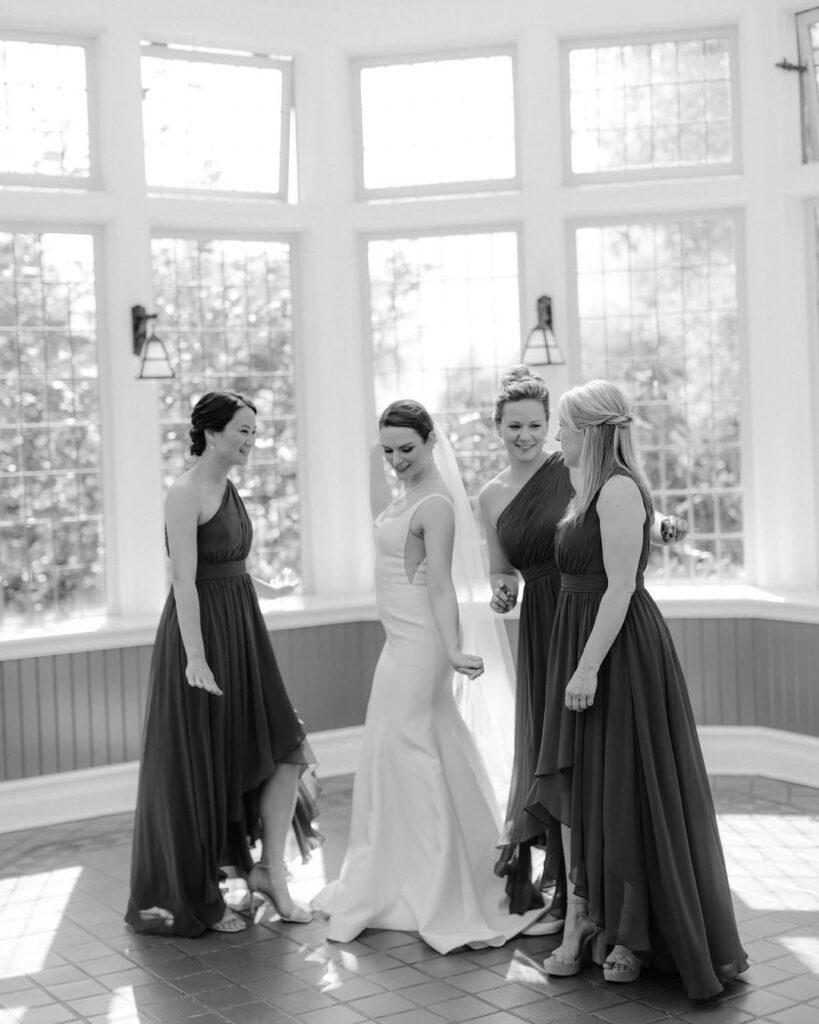
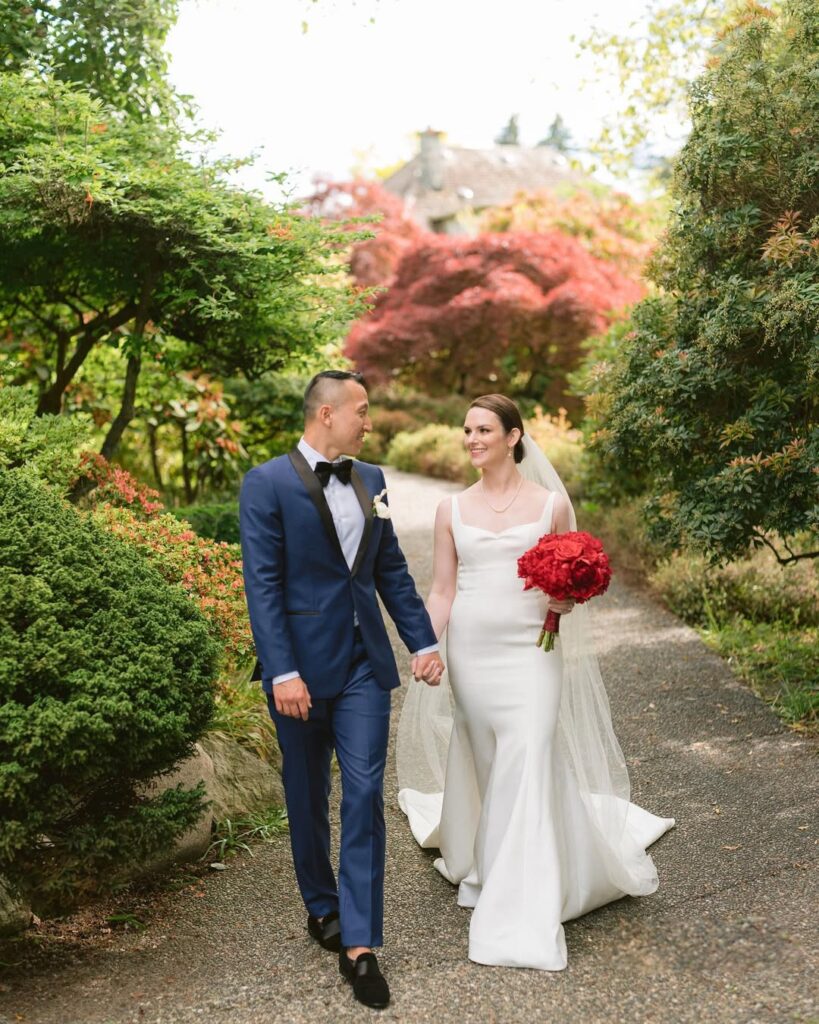
Portraits — editorial with movement. After the getting-ready is done, we move into the first portrait session: the bride with her bridesmaids, the groom with his groomsmen. This is where the approach shifts again. We are not documentary here. We have a visual in mind, and we direct toward it — positioning people, working the light, finding the composition. But even in this mode, we are not after a static result. We introduce movement. We ask people to walk, to look at each other, to laugh at something. The portraits that work are the ones that have life in them — a turn of the head, a natural touch between two people, a genuine smile that happened because of something we said rather than something we asked them to hold.
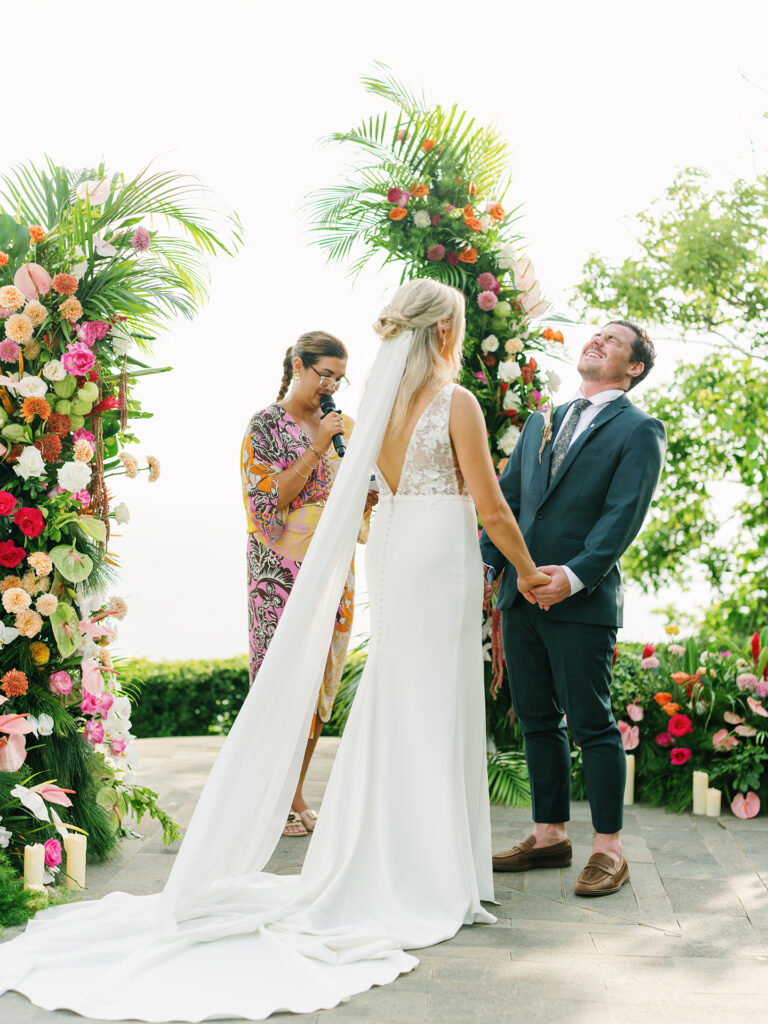
Ceremony — pure documentary. We do not direct anything during the ceremony. We move around the edges, we anticipate, we position ourselves for what we know is coming. But we do not interrupt. This hour belongs entirely to you and the people you love. Our job is to be invisible and precise.
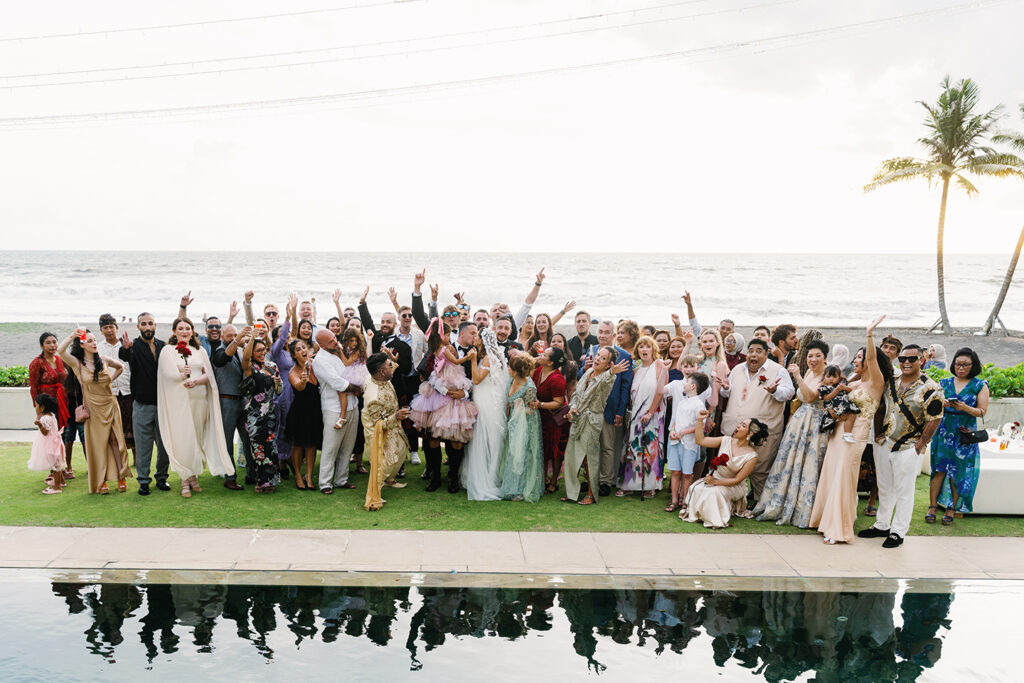
Family photos — efficient and clear. After the ceremony, we move quickly through the family groupings. We have a list. We work through it without wasting time, because the candid moments that follow immediately after family photos — when the formal structure dissolves and people relax back into themselves — are always worth capturing. We release the group as fast as we responsibly can.
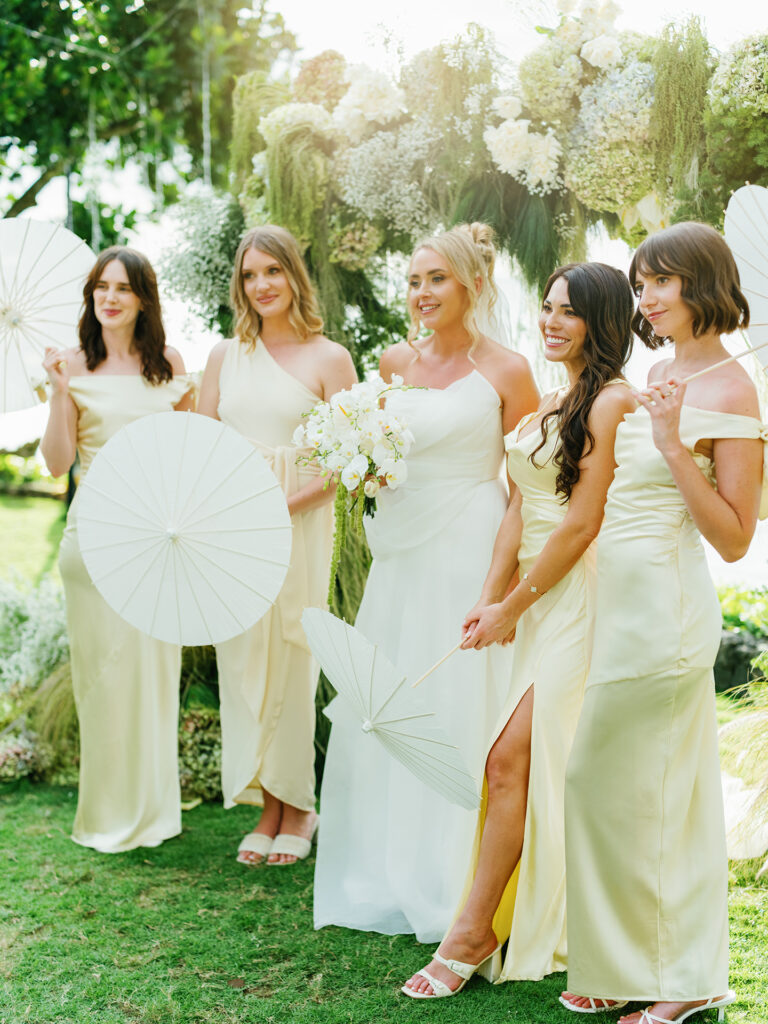
Bridal party — ten to fifteen minutes of editorial energy. This is a short, deliberate session. We have a clear visual intention and we move toward it efficiently. The bridal party portraits work best when there is energy in the group — so we create it. We move people, we change configurations, we find angles that use the venue well. Ten to fifteen minutes is the right amount of time. More than that and it becomes a production. Less and you leave images on the table.
Couple portraits — three layers. This is the session most couples are both most excited about and most nervous about. We run it in three modes simultaneously. The first is documentary — we watch for the moments that happen between the directed frames, because those are often the best ones. The second is close up — details of hands, faces, the dress, the connection between two people. The third is editorial — we have a visual in mind and we direct toward it, but always through movement. We ask you to walk together, to lean in, to say something to each other. The warmth that comes from those interactions produces expressions that no amount of “hold that smile” could ever manufacture. Every couple smiles differently when they’re actually connecting — and that’s the image we’re after.
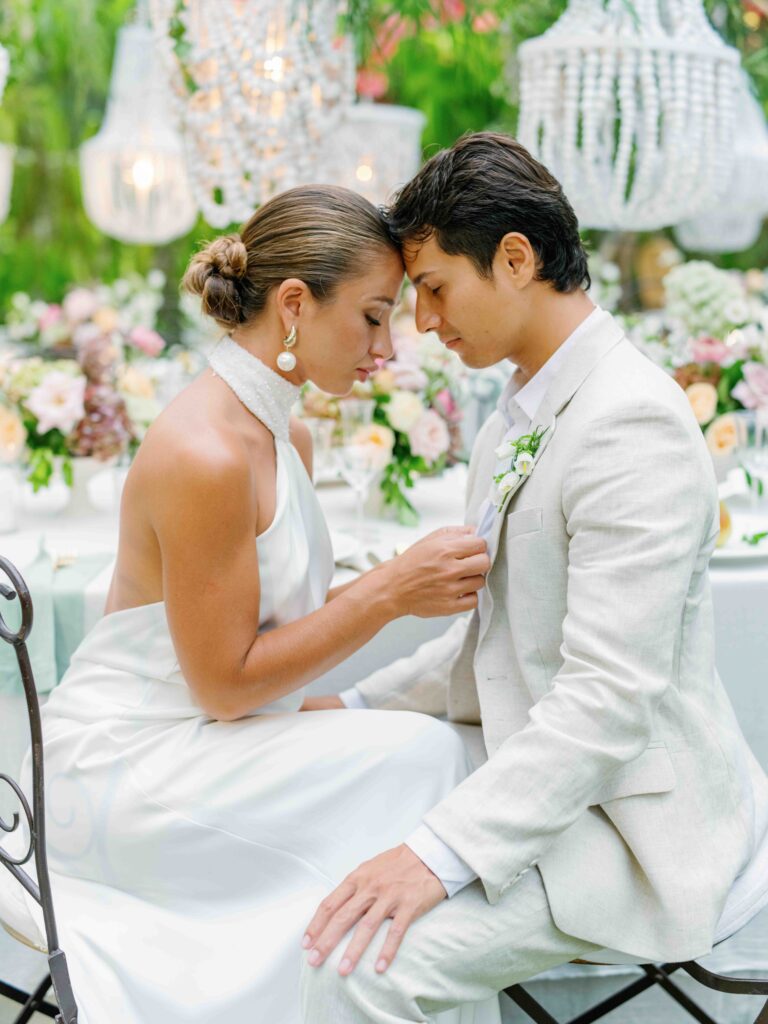
Reception — back to documentary. From the moment the reception begins, we step back into observation mode. Speeches, first dance, parents dancing, guests at the table, the moment the music changes and the floor fills. We are watching, moving, anticipating. The reception is where the day reveals itself — where people let go completely and the real character of the wedding comes through.
Documentary vs fine art vs editorial: what Luxima actually is
This is a question we get often, and it deserves a direct answer.
If you search for a documentary wedding photographer in Bali, you will find photographers who shoot almost entirely in observation mode — hanging back all day, rarely directing, producing galleries that feel immersive and real but sometimes lack the polished portrait work that couples also want.
If you search for a fine art or editorial wedding photographer in Bali, you will find photographers who produce exquisite, highly composed images — but whose approach to the wedding day is essentially that of a director. They are building images. The day is the backdrop.
We do neither of those things exclusively — and that is a deliberate choice.
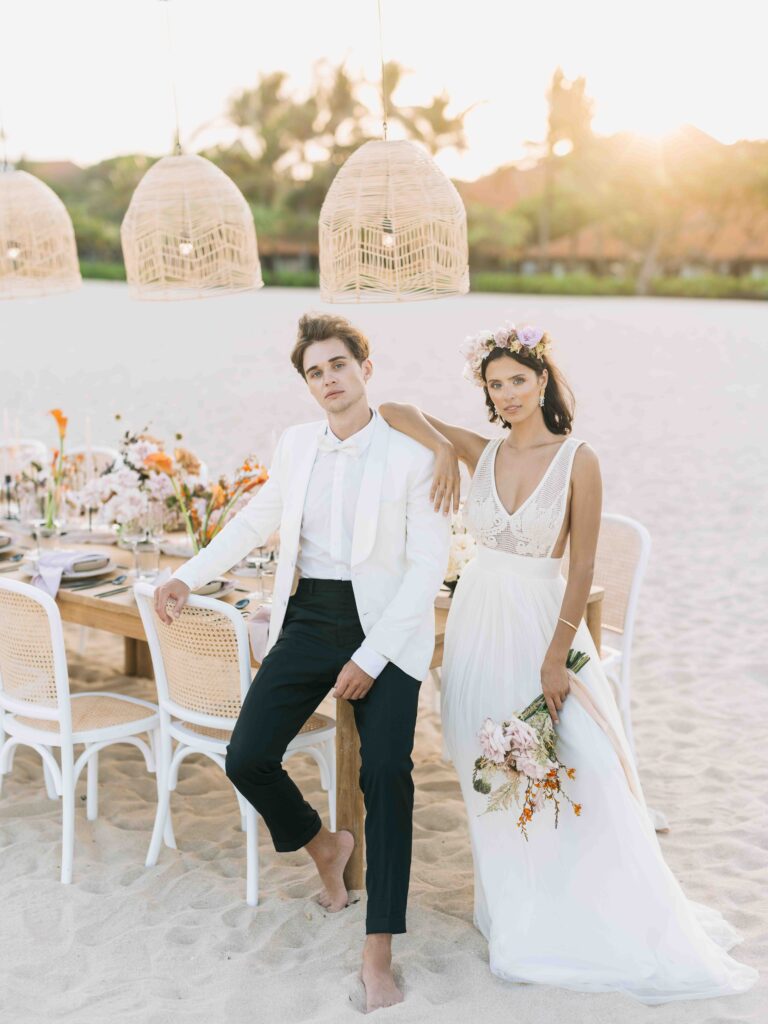
The documentary approach gives the wedding day back to the couple. It removes the production layer. It produces images that feel like memories rather than photographs.
The editorial approach, applied specifically to portrait sessions, produces images that are technically and aesthetically strong — images that can carry a wall, fill a wedding album, hold up for decades.
The movement we introduce into every portrait session is the bridge between the two. It prevents the editorial portraits from feeling stiff or performed. It keeps the energy in the images even when we are directing the composition. A couple walking hand in hand toward a view, turning to each other naturally, laughing at something real — those are editorial images that feel documentary. That is the specific thing we are trying to make.
This is also why the galleries we produce do not feel stylistically inconsistent. The getting-ready frames and the ceremony candids and the couple portraits all feel like they belong to the same day — because they were all made with the same underlying intention, even if the specific mode shifted between them.
For couples exploring the difference between these approaches before booking, the Wedding Photojournalist Association has a useful overview of how documentary and photojournalistic wedding photography developed as a discipline — useful context for understanding where the approach comes from.
How a documentary wedding photographer in Bali guides without directing
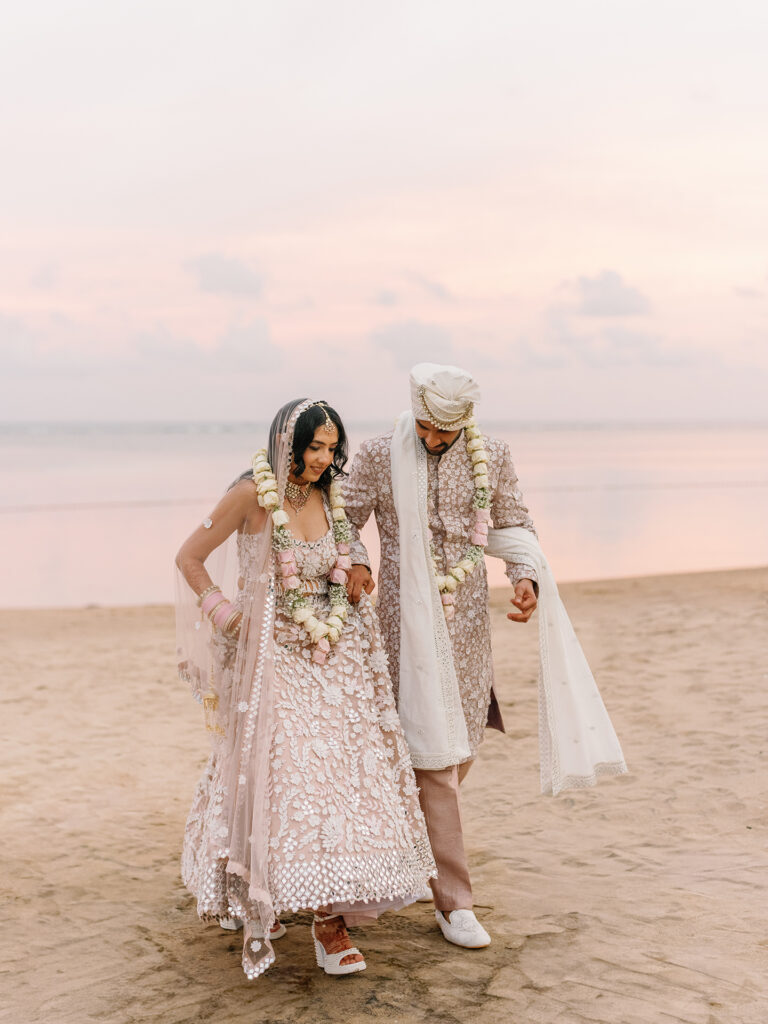
For couple portraits, we’re not constructing a pose. We’re giving you something to do — walk toward that view, say something to each other, keep moving — and then photographing what happens naturally within that motion. The best portrait frames are almost always caught in the transition between one thing and another, not in the held position.
What we don’t do is run a production. We don’t have a shot list of posed setups that the day needs to accommodate. We don’t pull couples away from their guests for extended portrait sessions that eat into the evening. The wedding day belongs to you and the people you love — our job is to document it, not to redirect it.
Why introverts tend to love a documentary wedding photographer in Bali
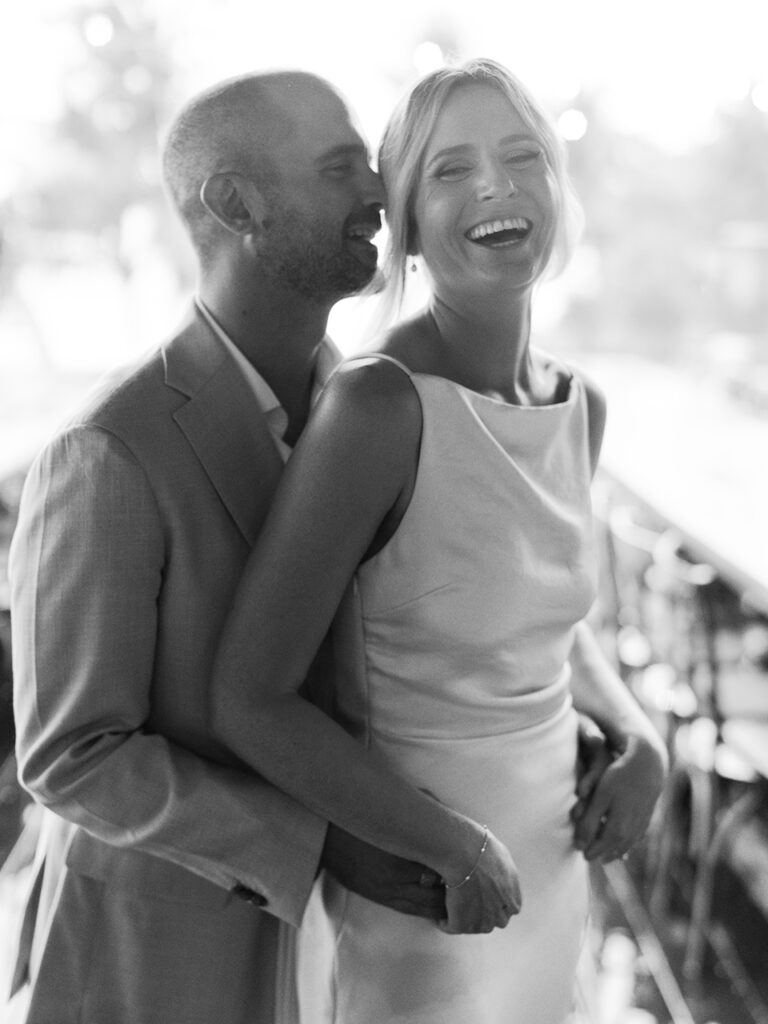
This is something we’ve noticed over years of shooting, and it’s worth saying clearly: if you describe yourself as someone who doesn’t like being photographed, documentary wedding photography is almost certainly the right approach for you.
Here’s why. The discomfort most people feel in front of a camera comes from the awareness of being watched and the pressure to perform something. Traditional wedding photography is built entirely around that dynamic — it asks you to look a certain way, stand a certain way, feel a certain way, on demand, for hours.
Documentary photography removes the performance requirement. We’re not asking you to do anything. We’re watching what you’re already doing and finding the frames within it. The less you think about the camera, the better the images become — which means the experience of being photographed is actually more comfortable, not less.
In our experience as a documentary wedding photographer in Bali, we’ve photographed couples who told us in their first email that they hate being in photos. By the end of their wedding day, those same couples are some of the most natural people we’ve ever shot. The transformation isn’t magic — it’s just what happens when you remove the performance pressure and let people be themselves for long enough. Bali helps with this too. There’s something about the pace of the island, the warmth, the fact that everyone is slightly out of their normal routine, that makes people relax in ways they don’t expect.
The introvert who dreaded the portrait session ends up with images they love precisely because they stopped trying to produce them.
Why your Bali wedding day shouldn’t feel like a content shoot
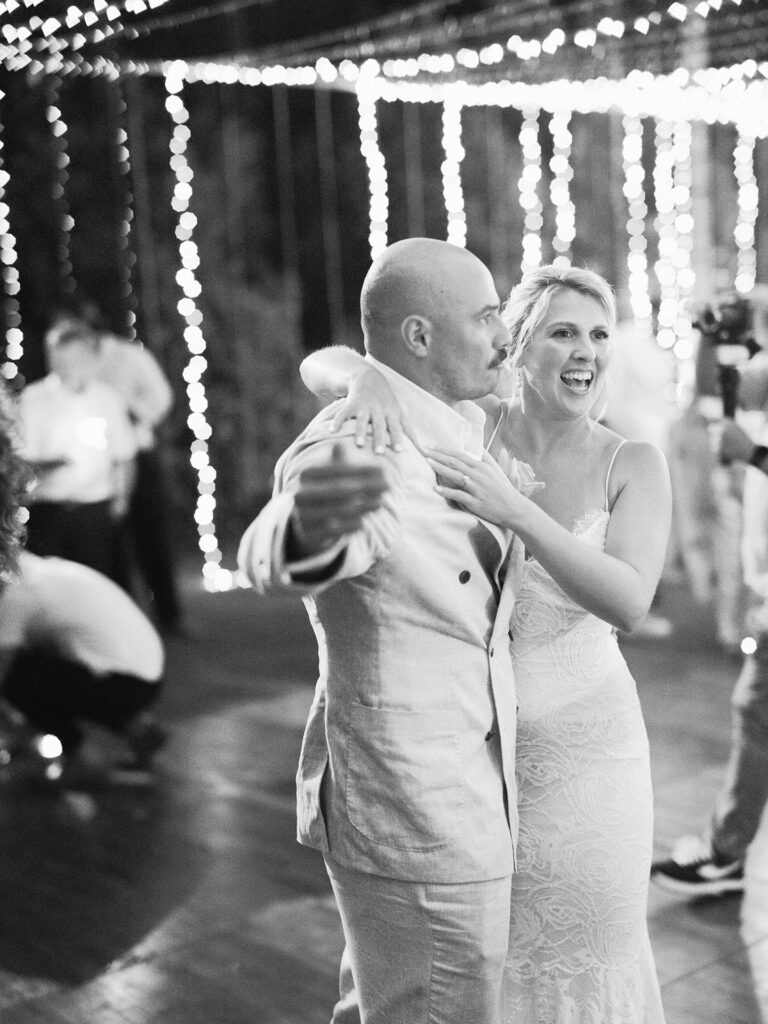
Something has shifted in wedding photography culture over the last few years, and it’s worth naming directly.
One of the clearest ways to understand what a documentary wedding photographer in Bali offers is to see what it stands against. The rise of the content creator aesthetic — drone footage, reels, behind-the-scenes clips, coordinated “authentic” moments that are actually highly produced — has started to bleed into wedding days in a way that changes the experience of being there. Couples are spending portions of their wedding day performing for cameras in a way that pulls them out of the actual event.
A documentary wedding photographer in Bali is working against that current.
We’re not there to build content. We’re not choreographing a reel. We’re not asking you to walk toward the camera again because the first take didn’t feel natural enough. We’re documenting what’s actually happening, which means the wedding day can unfold at its own pace, without a production schedule layered on top of it.
This matters more than it might seem. Weddings are emotionally dense days. Every hour of directed content creation is an hour of emotional bandwidth spent performing rather than experiencing. The couples who feel most present on their wedding day — who remember it as something that happened to them rather than something they were producing — are almost always the ones who weren’t being managed by their photographer.
If you’ve ever watched a wedding video where the couple looks slightly exhausted by all the direction, you’ve seen what happens when the content requirement overtakes the experience. That’s not what your day should feel like.
Comfort is the one thing a documentary wedding photographer in Bali can’t fake
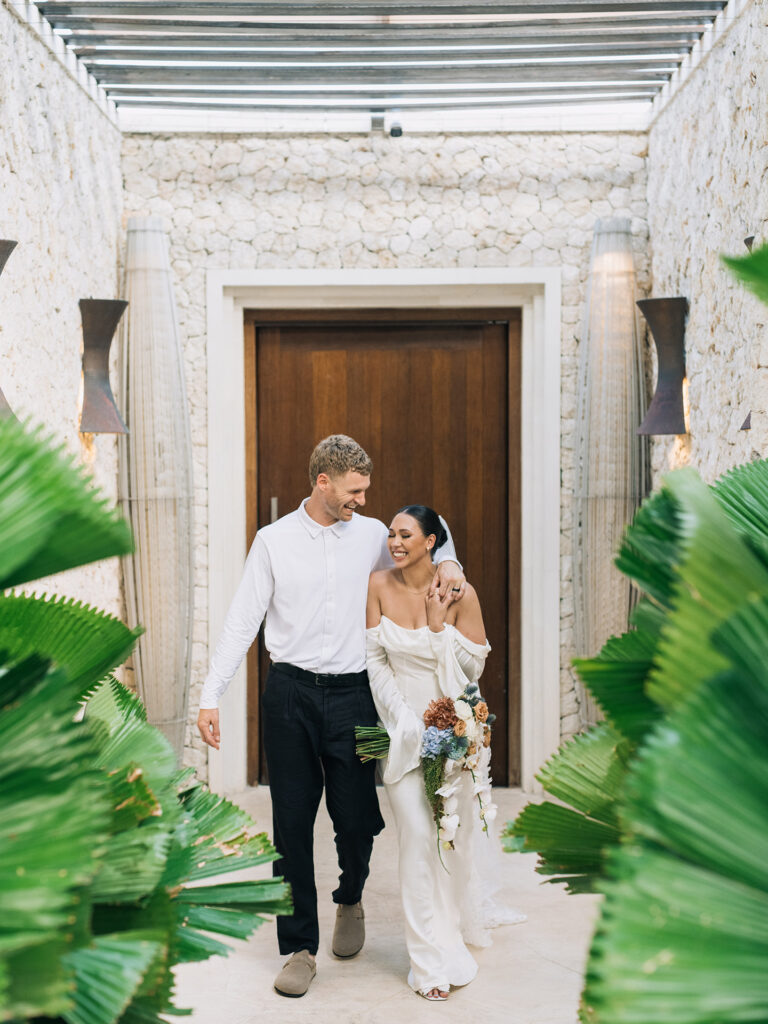
There’s a tendency to think of the feeling of a wedding day as separate from the quality of the photographs. This is the core misunderstanding about what a documentary wedding photographer in Bali is actually selling.
They’re not separate categories.
The way you hold your face when you’re relaxed is different from the way you hold it when you’re aware of being watched. The way you stand next to your partner when you’ve forgotten the camera is there is different from the way you stand when you’re performing for it. Your eyes look different. Your hands look different. The quality of the connection between you looks different.
A documentary wedding photographer in Bali is working to close the gap between how you actually are and how you appear in the photographs. Every hour of the wedding day is an opportunity to narrow that gap further — because the more comfortable you become, the more honest the images become.
This is also why the pre-wedding session matters so much in a destination context. Couples who do a session with us the day before their wedding — or even just spend an hour on a video call going through the day’s timeline — arrive at the wedding day already comfortable. The camera isn’t new anymore. We aren’t strangers. The adjustment period that normally eats the first hour of getting-ready shots is already gone.
The images reflect that. Every time.
For couples who book a documentary wedding photographer in Bali from Canada, Australia, or the UK, the destination itself already creates a kind of openness. You’re somewhere new, away from your normal life, surrounded by people you love in a place that feels extraordinary. That context makes the documentary approach easier than it would be at home. People are already more present, more willing to let things unfold. Our job is simply not to interrupt that.
If you want to understand what it looks like when a Canadian couple builds that kind of comfort before their wedding day — and then carries it into the day itself — Amanda and Tony’s story is the clearest example we have. They booked us for an engagement session first, then came back for their wedding. The difference it made showed up in every frame.
The moment you forget the camera — and why every documentary wedding photographer in Bali is working toward it
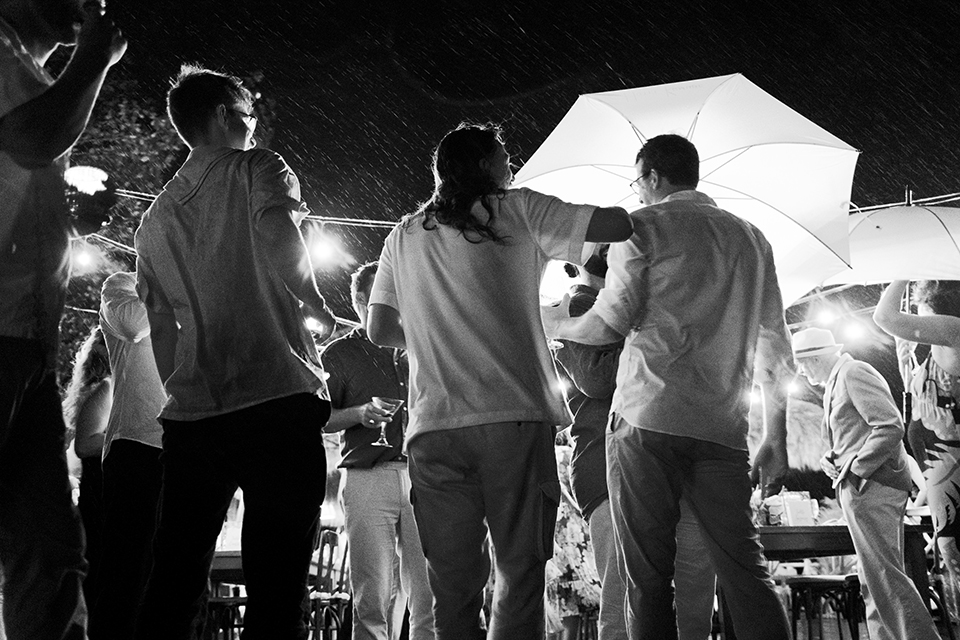
We could give you a hundred examples, but they all follow the same shape.
It’s the moment during the ceremony when you stop thinking about the ceremony and just look at the person in front of you. It’s the conversation between you and your father in the carpark that nobody planned. It’s the reaction your partner has to something your best friend says in a speech — unguarded, completely real, happening too fast for anyone to perform.
These are the images that make people cry when they see them for the first time. Not the technically perfect portraits — though those matter too — but the ones that capture something that actually happened, something that was actually felt, in a way that transports you back to the moment every time you look at them.
As a documentary wedding photographer in Bali, the moments we’re proudest of often happen in the transitions — between the ceremony and the cocktail hour, between the speeches and the dancing, in the last twenty minutes of the night when everyone is tired and the guards are fully down. The images we’re proudest of are almost never from the scheduled parts of the day. They’re from the moments in between, when nobody was thinking about photography at all.
If you want your Bali wedding to feel lived — not performed
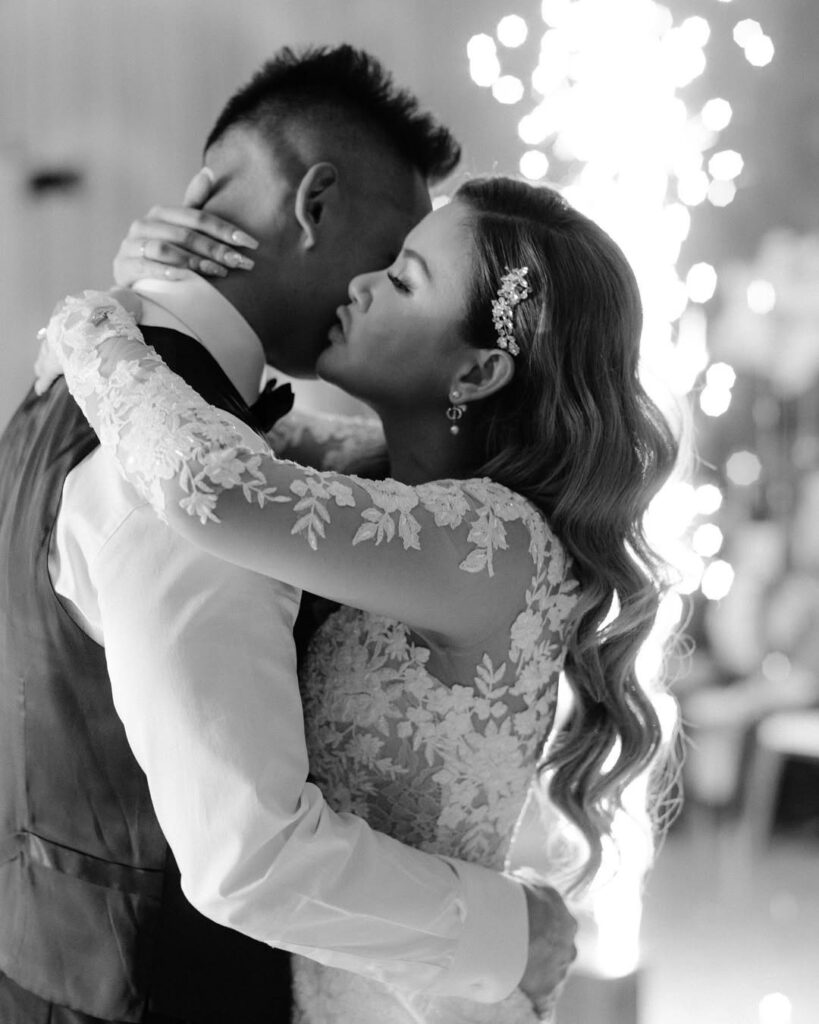
That’s the clearest way to say what documentary wedding photography in Bali offers. Not a different set of photographs. A different experience of the day.
One where you’re present at your own wedding. Where the camera is something you occasionally notice and mostly forget. Where the images that come back to you weeks later feel like memories rather than productions.
If that’s what you’re looking for, we’d love to talk about your wedding.
To understand where this approach comes from — and why six years shooting weddings in Canada shaped the way we work in Bali — that story is here.
If you want to see what this looks like across a full wedding day at one of Bali’s most beautiful venues, Aimee and Blake’s wedding shows documentary photography working the way it’s supposed to — and the multicultural wedding at Villa Vedas shows how the same approach holds up inside a large-scale luxury production.
For couples who want to understand how to find the right photographer before booking, our guide to choosing a wedding photographer in Bali covers the questions worth asking.
And if you want to see how this approach translated to large-scale weddings in Vancouver before we brought it to Bali, Caroline and Adam’s Science World wedding shows exactly that.


