How to Choose a Wedding Photographer in Bali (From Someone Who’s Watched This Go Wrong)
Most guides on how to choose a wedding photographer in Bali are written by photographers who want to be chosen. This one is written from a different position.
For six years, I photographed weddings in Vancouver, Canada — and watched how couples in North America research, shortlist, and decide how to choose a wedding photographer in Bali and other destinations. I saw what they got right. I saw where the process broke down. I came back to Bali in 2023 with all of that in the background, and it shapes every conversation I have with couples who are trying to figure this out from twelve thousand kilometres away.
This is not a checklist. It’s what I actually think about how to choose a wedding photographer in Bali — from someone who has been inside this industry for over a decade, from both sides of the table.
1. When choosing a wedding photographer in Bali, Instagram is not enough
Every photographer working today has ten extraordinary images. The ones that ended up on Instagram, in the portfolio, on the front page of the website. Those images are real — but they represent the best 0.1% of what that photographer produces on a regular working day.
The question is not whether a photographer can make a beautiful image. It’s what happens at 4pm on your wedding day when the light is flat, the timeline is running thirty minutes behind, and the family portraits need to happen in a covered walkway between the venue entrance and the carpark.
That moment — unglamorous, logistically messy, and completely real — is what most of your wedding day actually looks like. And that’s exactly where the difference between a skilled photographer and a skilled self-marketer becomes obvious.
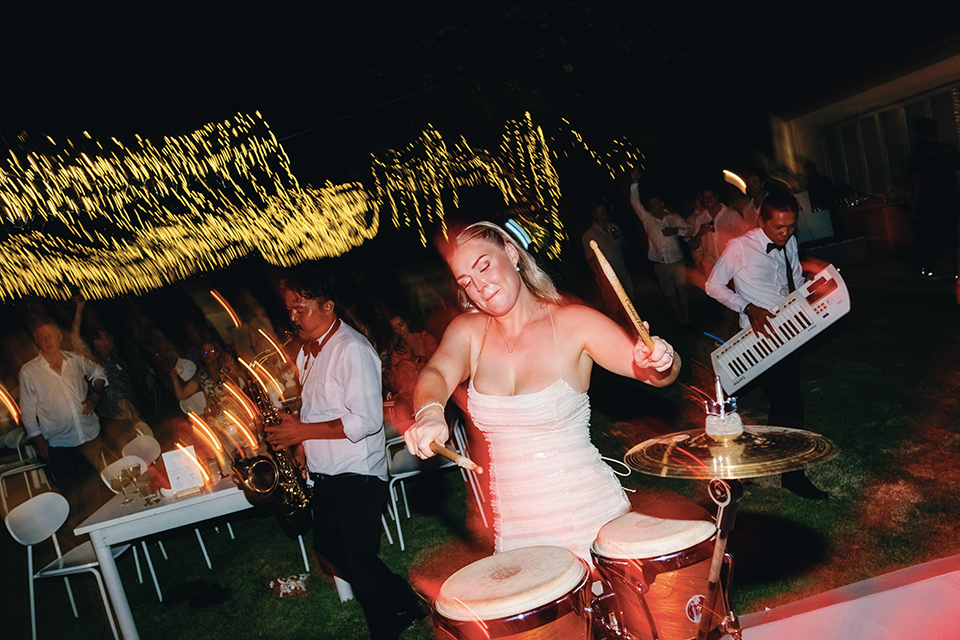
What to do instead: Ask to see a full gallery from a real wedding. Not a curated selection of 80 images — a full delivery. Weddings typically produce 400 to 800 final images. How does the photographer handle a difficult transition between spaces? What do the candid frames between the formal moments look like? Are the images of guests at dinner as considered as the ceremony shots? That’s where style and skill actually live. If you want a reference point for what a complete wedding story looks like, Holly and Peter’s wedding in Bali shows the range — from early morning preparations through to the reception.
Red flag: A photographer who hesitates, deflects, or says they don’t share full galleries for privacy reasons. Full galleries can be shared with names removed or permissions obtained. The real reason is usually that the consistency isn’t there.
2. Full galleries reveal editing consistency — and who actually edits your photos
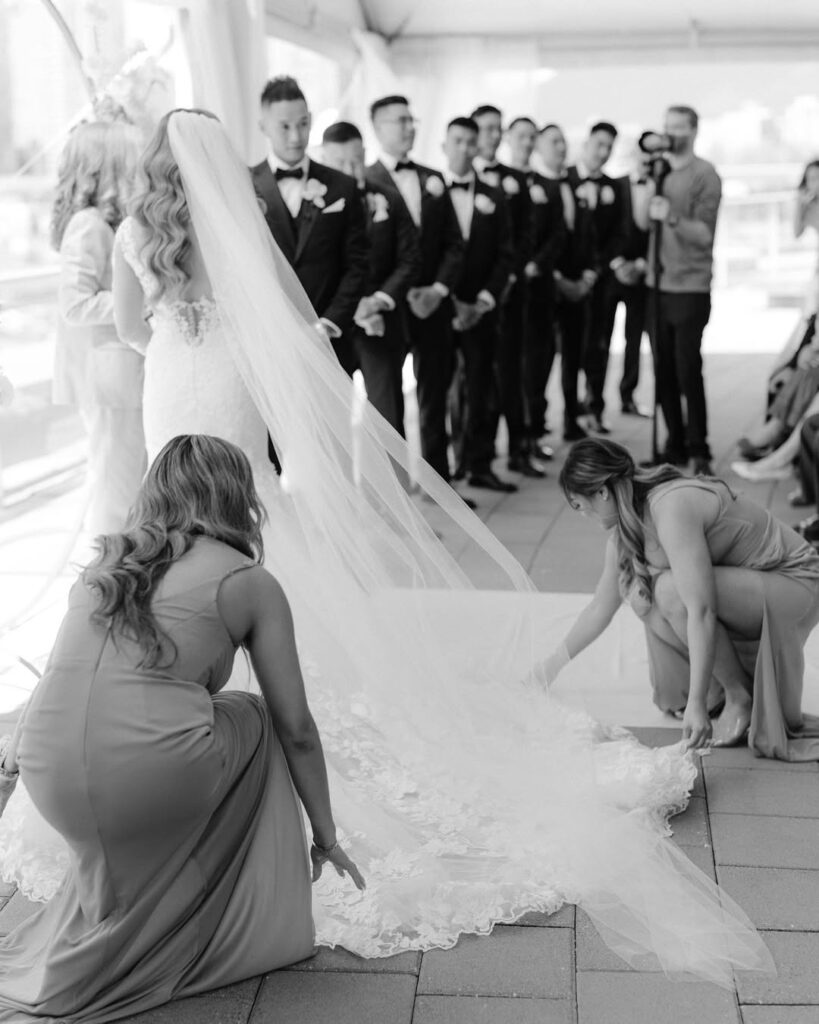
When you look at a full gallery, you’re not just checking for beautiful frames — you’re looking for consistency across an entire day. Does the editing hold from the morning preparation shots through to the reception dancing at night? Do the ceremony images feel like the same photographer who shot the speeches? Does the colour temperature shift dramatically between indoor and outdoor spaces?
Inconsistent editing usually means one of two things: the photographer is still developing their style, or they’re outsourcing their post-production to an editing service — sometimes overseas, often without the couple knowing. Both things are worth understanding before you commit.
This matters more than most couples realise. You’re not just hiring someone to press a shutter — you’re hiring a vision that extends through the entire production of your images. Ask directly: do you edit your own photos? What software do you use? What’s your turnaround time, and what does the editing process look like?
A photographer who edits their own work will answer these questions easily and specifically. One who outsources will often give vague or evasive answers, or frame it as a positive (“we use a team of expert editors”) without acknowledging that the person who shot your wedding is not the person who shaped its final look.
What consistency looks like: Skin tones that hold across different lighting conditions. Shadow detail that isn’t crushed to create a dramatic look. A colour palette that feels intentional rather than algorithmic. When you scroll through a 600-image gallery and it feels like one cohesive story rather than a collection of individual good frames, that’s editing consistency.
3. Communication quality is a preview of the wedding day itself
The way a photographer responds to your first enquiry is a preview of how they’ll operate on your wedding day. This sounds dramatic, but it’s consistently true.
Are they specific or generic in their reply? Do they actually engage with what you wrote — the venue you mentioned, the vibe you described — or do they send the same PDF to everyone? How long do they take to reply? Do they ask questions back, or just pitch?
A photographer who is vague, slow, or transactional in the booking process does not suddenly become attentive and present on the wedding day. The behaviour you see before the contract is signed is the behaviour you get when you’re standing in your dress at 6am and you need someone to quietly guide the getting-ready timeline without making anyone feel rushed.
Questions worth asking in your first exchange:
- What information do you need from us before the wedding day?
- How do you handle timeline planning?
- What’s your preferred way to communicate as the date approaches?
Watch not just what they say, but how they say it. Warmth, specificity, and genuine curiosity about your wedding are signals. Generic enthusiasm and templated responses are not.
4. A Zoom call is not optional for a destination wedding
You are hiring someone to spend eight to twelve hours with you on one of the most personal days of your life. Someone who will be in the room when you’re getting ready, standing two metres away when you read your vows, eating dinner twenty feet from your table, and still photographing when you’re emotionally exhausted and the adrenaline has worn off.
Meeting them on a screen first is not due diligence. It’s the minimum.
Knowing how to choose a wedding photographer in Bali means knowing who you can actually be yourself around. A good Zoom call should feel like a conversation, not a sales presentation. You should be talking as much as they are. They should be asking about you — how you met, what kind of day you’re planning, what makes you nervous about being photographed. If you hang up and you don’t know anything more about them as a person than you did before the call, that’s a significant piece of information.
What to pay attention to: Notice whether you relax during the conversation or stay slightly performative throughout. Notice whether they listen or wait to talk. Notice whether they seem curious about your wedding specifically or comfortable discussing weddings generally.
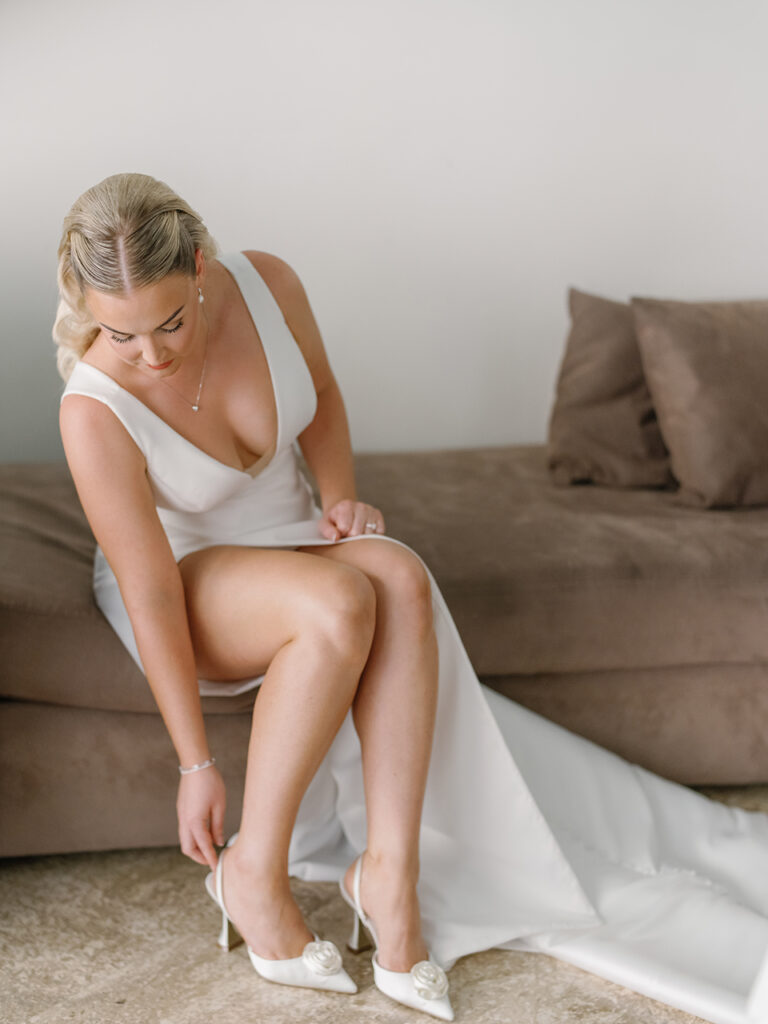
The feeling you get on that call is approximately the feeling you’ll have on your wedding day when they walk into the room. Trust your read.
5. Ask about backup plans — and watch exactly how they answer
Equipment fails. Hard drives fail. Photographers get sick unexpectedly. Flights get cancelled. Bali is an island destination — getting here requires international travel, and things that can go wrong sometimes do.
Ask directly, in your consultation: what happens if your primary camera fails during the ceremony? What happens if you’re seriously ill the morning of my wedding? Who would replace you, and what’s their work like?
A photographer who has genuinely thought about this — who has been in the industry long enough to have experienced or witnessed equipment failure — will answer quickly, specifically, and without getting defensive. They’ll tell you they shoot with dual card slots so images write to two cards simultaneously. They’ll tell you they carry backup bodies. They’ll have a named person they’d call.
A photographer who hasn’t thought about it will give you a vague reassurance: “don’t worry, that’s never happened to me.” That response is not a safety net. It’s a gap.
Specific questions to ask:
- Do you shoot with dual card slot cameras?
- How many backup camera bodies do you bring to a wedding?
- Who is your backup photographer if you’re unable to shoot?
- Can I see their portfolio?
Professional-grade wedding photography equipment costs tens of thousands of dollars. Photographers who price themselves seriously own backup equipment. Photographers who don’t often can’t afford to.
6. How to choose a wedding photographer in Bali who actually knows Bali
A photographer who has shot two hundred weddings in the UK, France, or Australia is not automatically the right photographer for your Bali wedding. Bali’s light is different — harsh equatorial midday sun, unpredictable afternoon rain, venues that move between deep shade and open sky within the same ceremony. The way you expose and meter for Tirtha Uluwatu’s glass chapel at 4pm is not the same as exposing for a garden wedding in London in June.
Beyond light, Bali has logistical realities that require specific local knowledge. Traffic between Seminyak and Uluwatu during peak hours can add forty minutes to a timeline. Certain venues have strict rules about where photographers can stand during ceremonies. Some locations require permits for equipment. The best viewing angles for specific venues during specific times of day are not discoverable from a website.
What to ask:
- How many weddings have you shot in Bali specifically?
- Have you worked at my venue before?
- What does the light do at my venue at the time of our ceremony?
- Are there any logistical challenges at that venue I should know about?
A photographer who knows Bali knows which side of the Pandawa terrace holds the afternoon shade. A photographer who doesn’t will figure it out on your wedding day — at your expense.
7. Read the contract before you sign — and read it carefully
Wedding photography contracts vary enormously in what they cover, and couples rarely read them carefully until something goes wrong. By then, it’s too late.
Key things to look for and understand before signing:
Copyright and image rights. In most jurisdictions, the photographer retains copyright of the images by default. This means they can use your wedding photos in their marketing — on Instagram, on their website, in print — without asking you. If this concerns you, ask what their policy is and whether usage rights can be negotiated.
Delivery timeline. How many weeks or months after the wedding will you receive your images? Is this written into the contract, or is it a verbal commitment? What happens if they miss the deadline?
Number of images. Is there a guaranteed minimum? Some contracts specify a range; others don’t commit to a number at all.
Cancellation terms. What happens if you need to postpone or cancel? Is the deposit refundable under any circumstances? What happens if the photographer cancels?
Force majeure clauses. Particularly relevant for destination weddings — what happens if natural disaster, government restriction, or illness prevents the wedding from proceeding?
None of this is to make the process adversarial. A good photographer will have clear, fair answers to all of these. A contract that is vague on these points is a sign of a photographer who hasn’t thought through their responsibilities carefully. For a broader overview of what destination wedding contracts typically cover, Junebug Weddings has a useful guide worth reading alongside this one.
8. Delivery process matters more than you think
Most couples focus entirely on the photos themselves — and almost nobody asks about the delivery process until after the contract is signed. Then they discover the images are being delivered via a platform that expires in thirty days, or that downloading full resolution files requires three separate steps, or that the gallery password was emailed to an address they no longer check.
These are not small administrative details. Your wedding images need to be accessible, downloadable at full resolution, and safely backed up for decades. Ask before you book:
- How are images delivered — what platform?
- How long does the gallery remain active?
- Can I download full resolution files directly?
- Do you keep a backup of my images after delivery? For how long?
- Is there a printed album option, and what does that process look like?
A photographer who has been doing this seriously for several years will have a delivery workflow that they can explain clearly. One who is still figuring it out will give vague or inconsistent answers.
9. Cheap pricing in Bali is not a deal — it’s a transfer of risk
Bali has some of the most underpriced wedding photography in the world. You can find a photographer for five hundred US dollars for a full wedding day. Some of them are talented people building their portfolio who will do excellent work. But most of them cannot afford professional-grade backup equipment, do not have the systems in place to protect your images after delivery, and cannot sustain the time investment that documentary wedding photography actually requires.
Here is the honest version of the pricing conversation — and it applies to anyone figuring out how to choose a wedding photographer in Bali on a budget: a photographer who charges $500 for a full wedding day in Bali is making, after taxes, equipment costs, editing time, communication, and travel, something close to minimum wage for skilled creative work. That economic reality has consequences — for the equipment they own, for the time they invest in your wedding, for how long they’ll be in the industry.
There is no version of this where you reliably get a full day of serious, attentive, experienced wedding photography for the price of a good dinner in Sydney or Vancouver.
The calculation is uncomfortable but simple: if the images from your wedding day don’t exist — because a hard drive failed, because the files were corrupted, because the photographer had equipment they couldn’t afford to maintain — there is no refund that fixes it. The day is gone. Price your photographer with that in mind.
10. The real filter when choosing a Bali wedding photographer: comfort
Every other item on this list is secondary to this one, and I want to be specific about why.
Wedding photography is not about the photographer’s skill in isolation. It’s about what they’re able to draw out of you, specifically, on this particular day. The most technically capable photographer in the world will produce stiff, self-conscious images if you don’t feel comfortable around them — because the camera captures how you feel, not just how you look.
This is why the Zoom call matters so much. This is why the pre-wedding session is not a nice extra but a genuine investment in your images. And this is why the question “do I like their photos?” is less important than the question “do I trust this person with my worst hair moment of the day, my most emotional conversation with my father, the ten minutes before I walk down the aisle when I’m terrified?”
The introvert consideration: Couples who describe themselves as camera-shy or uncomfortable being photographed almost always do better with a documentary photographer than with a traditional one. The documentary approach requires almost no posing — the photographer moves around you rather than directing you, catches moments rather than constructing them. If the idea of an hour of directed portrait work makes you anxious, documentary wedding photography is probably the right approach.
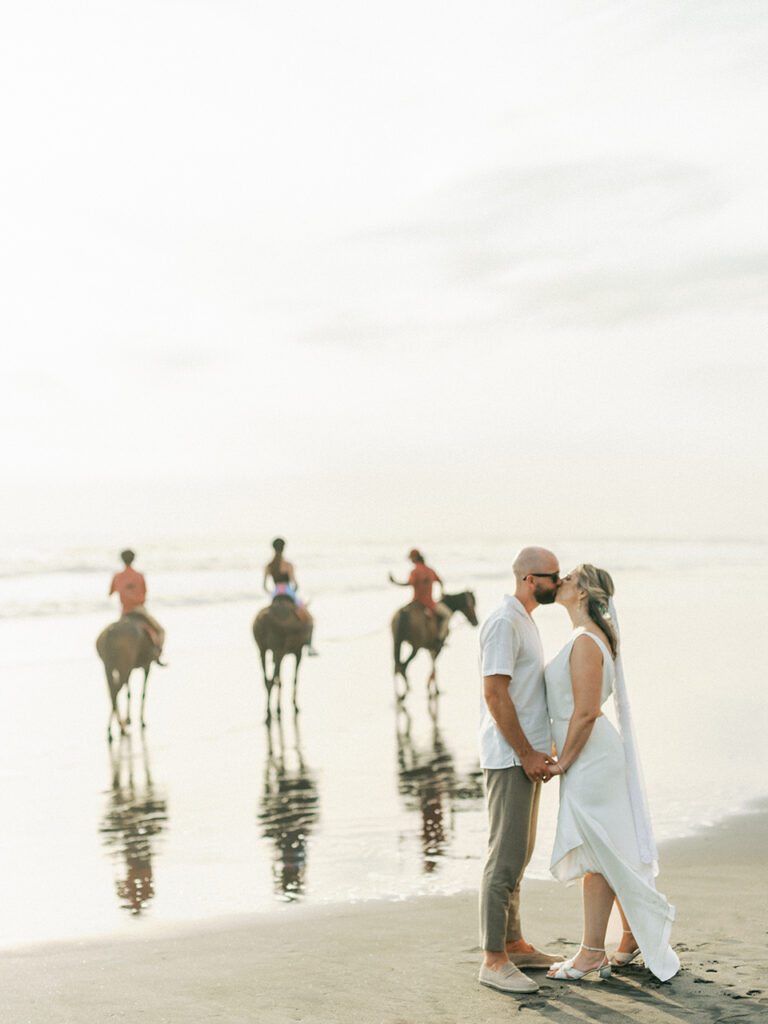
The couples who end up with images they genuinely love — not just images they think are technically good — are the ones who arrived on their wedding day comfortable with the person holding the camera. That comfort is built before the wedding, not on it.
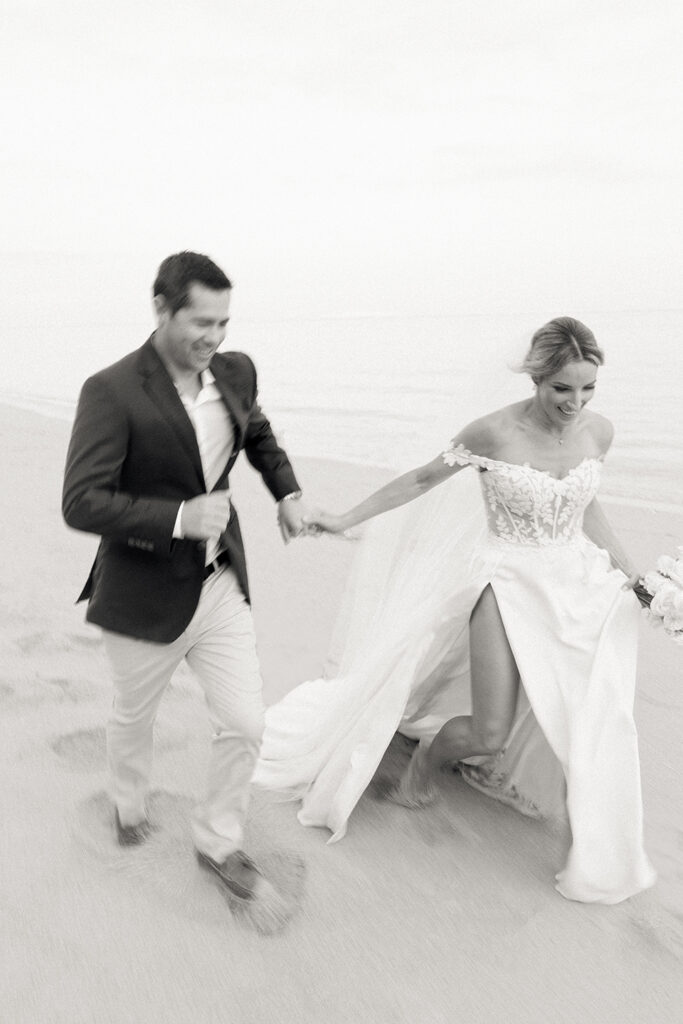
One more thing: ask where they’ve worked before
This is the question most couples don’t think to ask, and it’s one of the most useful. A photographer’s previous venues tell you whether they understand the kind of wedding you’re planning.
If you’re getting married at a clifftop venue in Uluwatu, ask whether they’ve shot there before. If you’re getting married at an intimate villa in Ubud, ask whether they have experience with low-light indoor ceremonies. If your wedding has a large bridal party and a structured timeline, ask how they manage group portraits efficiently without losing the documentary feel.
Experience at specific venues doesn’t guarantee a good outcome, but it dramatically reduces the variables. A photographer who has shot at your venue before knows where the light falls, where the beautiful angles are, and where the logistical complications tend to appear. That knowledge is worth more than any amount of general talent applied to an unfamiliar space.
Villa Vedas is a good example of this — a beachfront property in Tabanan with all-glass walls, three pools, and completely different lighting challenges depending on whether the ceremony is at the pool deck or the beachfront lawn.
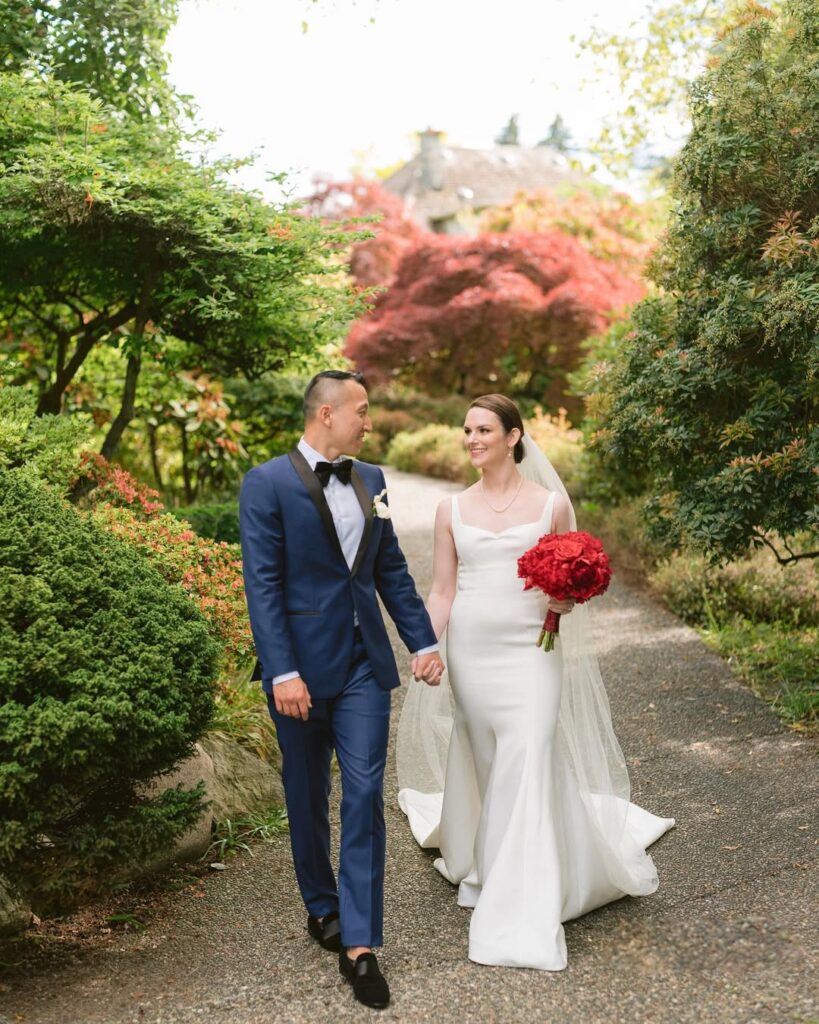
The multicultural wedding we photographed there shows how much venue knowledge shapes the final images. And if you’re considering a large-scale ceremony in Uluwatu, Wonderland Uluwatu is a venue where the architecture demands a very specific approach — worth looking at before you decide.
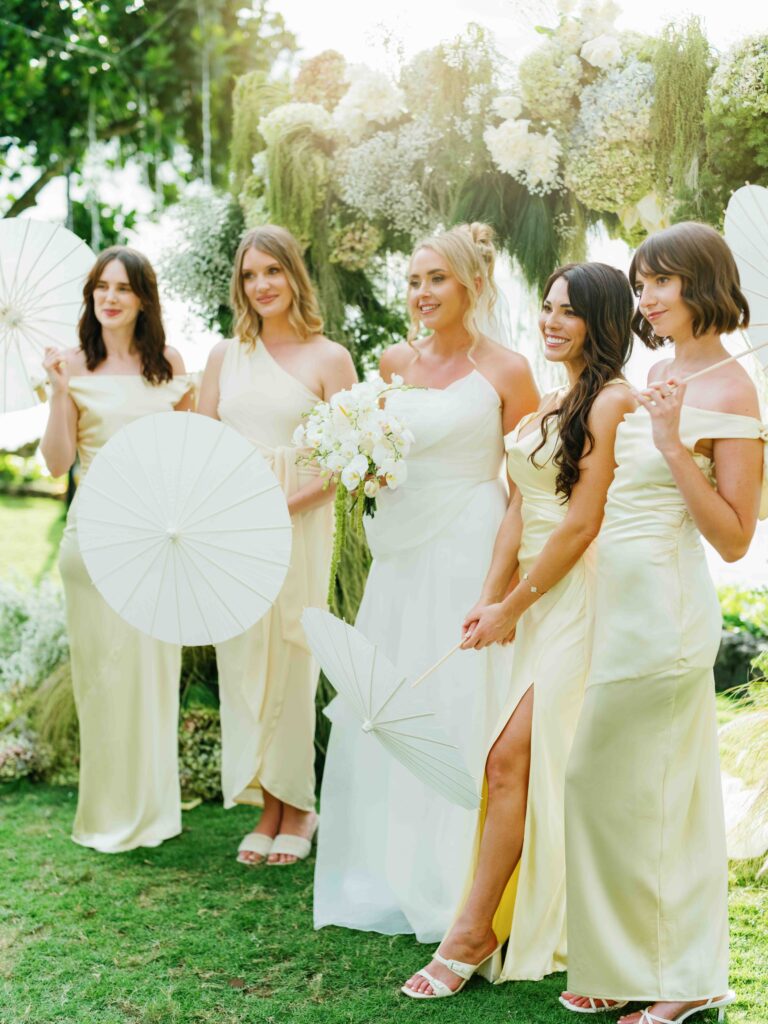
How we approach this at Luxima
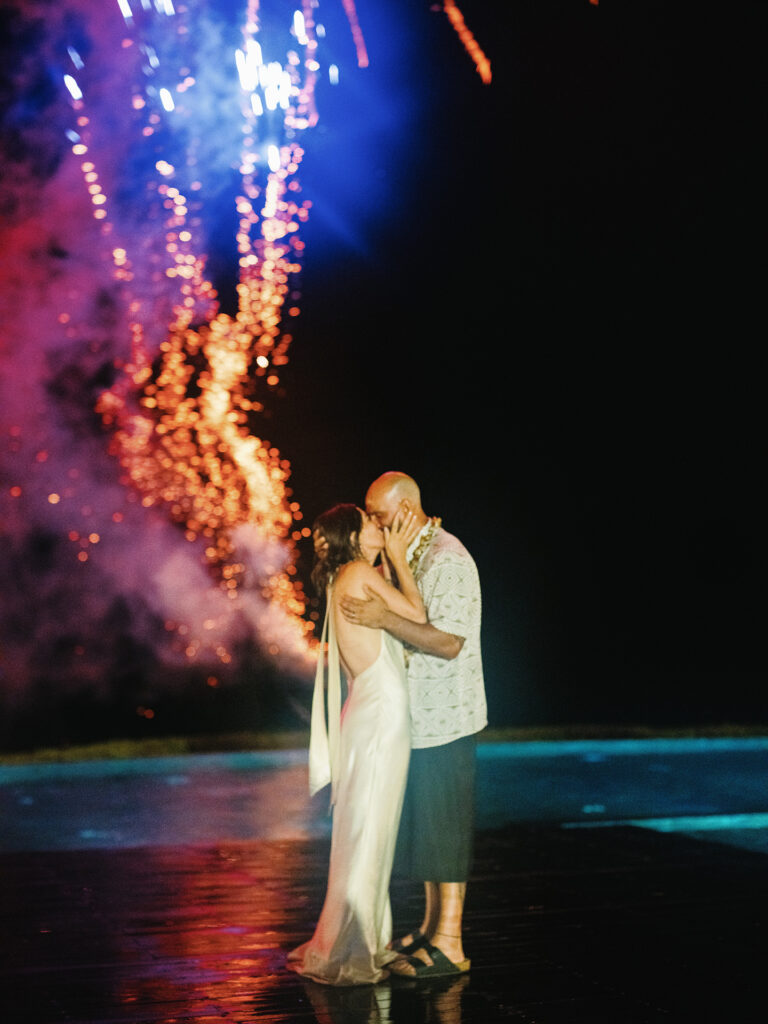
We shoot documentary weddings in Bali for couples primarily based in Canada, Australia, the US, and the UK — and most of them found us while trying to figure out how to choose a wedding photographer in Bali from twelve thousand kilometres away. The majority of our couples have never met us in person before their wedding day. We’ve built our entire approach around closing that gap before it becomes a problem — through longer consultations, pre-wedding sessions where possible, and a communication process that means couples arrive on their wedding day feeling like they already know us.
If you want to understand how that approach developed — including what six years photographing weddings in Canada taught us about how couples in North America make this decision — that story is here.
If you want to see what it looks like when a Canadian couple built real trust with us before their wedding day, Amanda and Tony’s story is the clearest example we have of what that process produces.
And if you’re at the stage of understanding what’s possible in Bali, Pandawa Cliff Estate is one of the venues where our documentary approach produces its strongest work — Lauren and Dan’s wedding there shows what a full day looks like when the location, the approach, and the trust are all in place.
For couples coming from Canada specifically, Caroline and Adam’s Science World wedding in Vancouver is worth reading — it shows how the same documentary discipline we bring to Bali was built across six years of shooting large-scale weddings in North America.
If you’re planning a wedding in Bali and want to have a real conversation about whether we’re the right fit — not a sales call, just an honest conversation — we’d love to hear what you’re building.