

Indian Wedding in Bali: Venues, Cost & Complete Guide (2026)
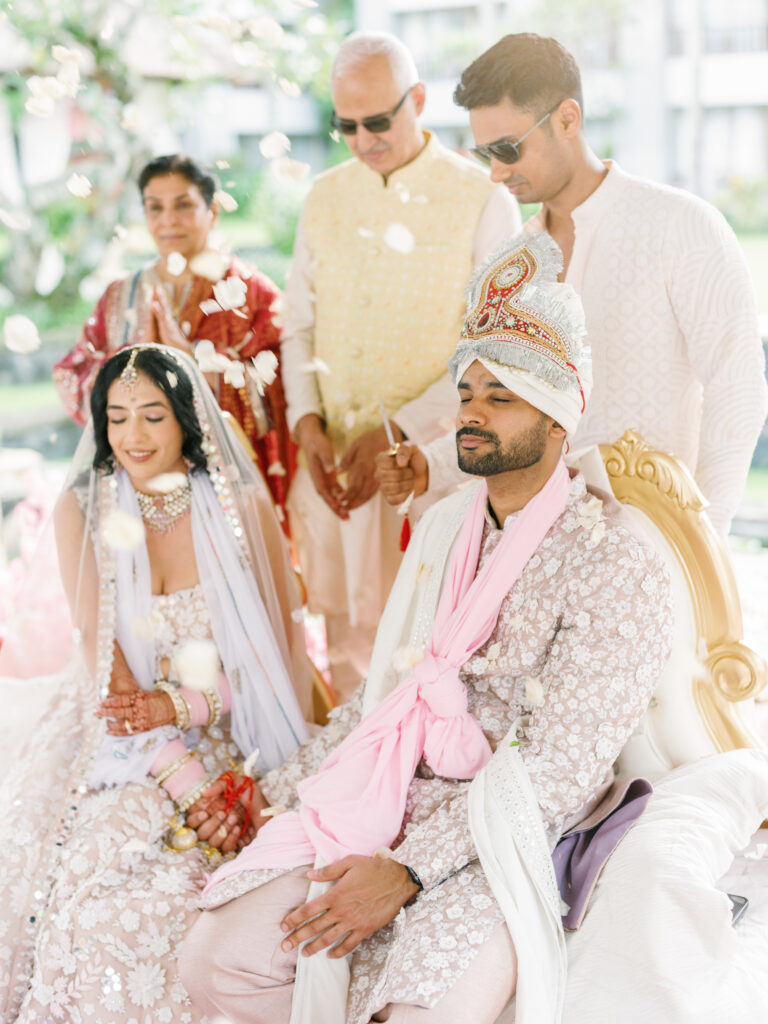
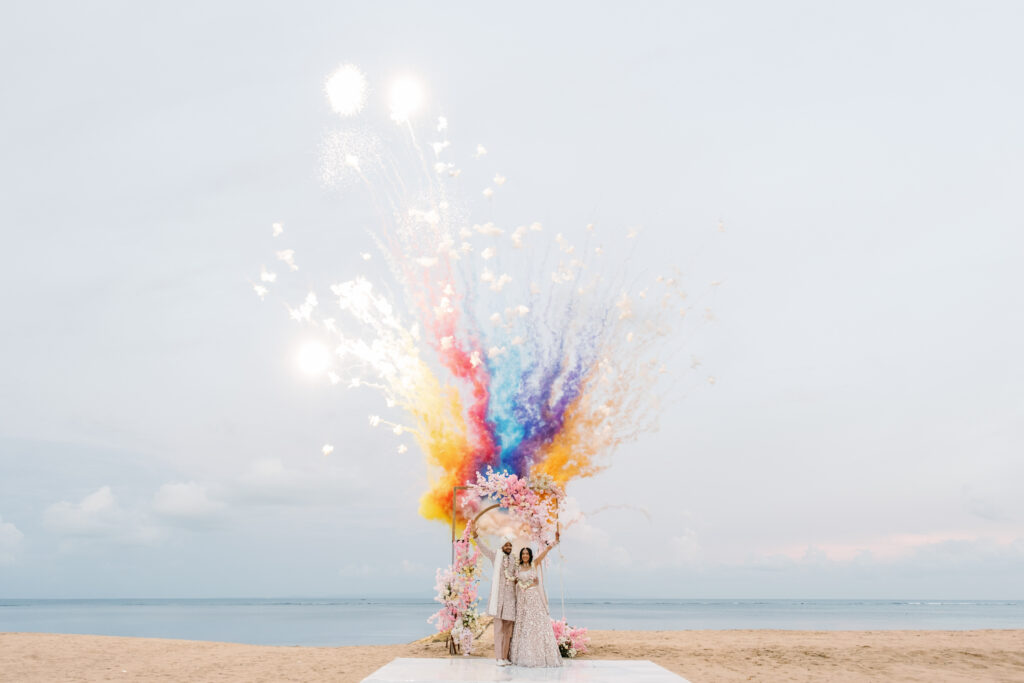
Planning an Indian wedding in Bali is not the same as planning a wedding that happens to be in Bali.
The scale is different. The logistics are different. The emotional arc of a multi-day Hindu or Muslim celebration — Mehendi, Haldi, Sangeet, ceremony, reception — requires a destination that can hold all of it without losing the thread of what each day is actually for.
Bali can do that. But not every part of Bali, and not every venue.
This guide covers what actually matters when planning an Indian wedding in Bali — venues, costs, ceremony flow, photography, and the things most planning guides leave out.
Why Couples Choose Bali for Indian Weddings
Bali has become one of the most sought-after destinations for Indian weddings among couples from the UK, Australia, the US, and Singapore — and the reasons go beyond aesthetics.
The infrastructure is there. Nusa Dua resorts are built to handle multi-day international celebrations — large ballrooms, beachfront ceremony spaces, on-site accommodation for guests traveling from multiple countries. The hospitality industry in Bali understands scale in a way that most beach destinations do not.
The atmosphere matters too. There is something about arriving in Bali — the heat, the light, the particular slowness that settles over the island — that changes how people show up to a wedding. Guests who have traveled across the world to be there tend to be more present. More attentive. Less distracted.
And for an Indian wedding in Bali, where the emotional register of each ceremony is already high, that presence amplifies everything.
Best Venues for an Indian Wedding in Bali
Nusa Dua: The Most Practical Choice for Larger Weddings
For weddings with 80–300 guests, Nusa Dua is the most reliable area in Bali. The resorts here are designed for exactly this kind of celebration — multiple event spaces, consistent service, and accommodation that keeps families and guests connected across several days.
The standout venues include:
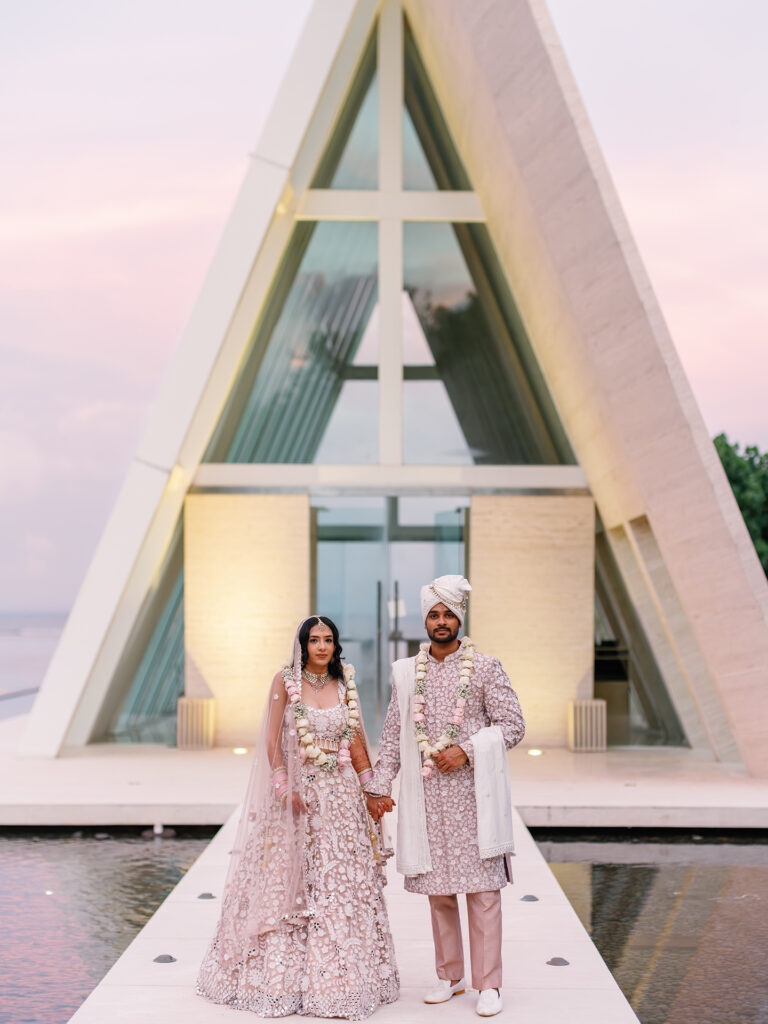
Conrad Bali — one of the most frequently chosen venues for Indian weddings in Bali, with beachfront ceremony spaces, a large ballroom for Sangeet, and the Infinity Chapel for the ceremony itself. See a real Indian wedding at Conrad Bali here: Saloni & Rohit — Indian Wedding at Conrad Bali
Hilton Bali Resort — strong event infrastructure, good for larger guest counts
Sofitel Bali Nusa Dua — elegant setting with flexible event spaces
Cliffside & Uluwatu: For Visual Impact
For couples who prioritize a dramatic setting, Uluwatu delivers:
Tirtha Bali — clifftop chapel, iconic Bali ceremony backdrop
Wonderland Uluwatu — editorial and cinematic
Karma Kandara — intimate and exclusive
These venues are ideal for the ceremony and portrait sessions. For larger Indian weddings, they require more coordination for multi-day logistics.
Private Villas & Ubud: For Intimate Celebrations
For a smaller, more private celebration — 20 to 60 guests — villas in Seminyak, Canggu, or the Ubud area offer flexibility and a different atmosphere. Less resort, more personal. The trade-off is that multi-day flow requires more coordination from the planner.
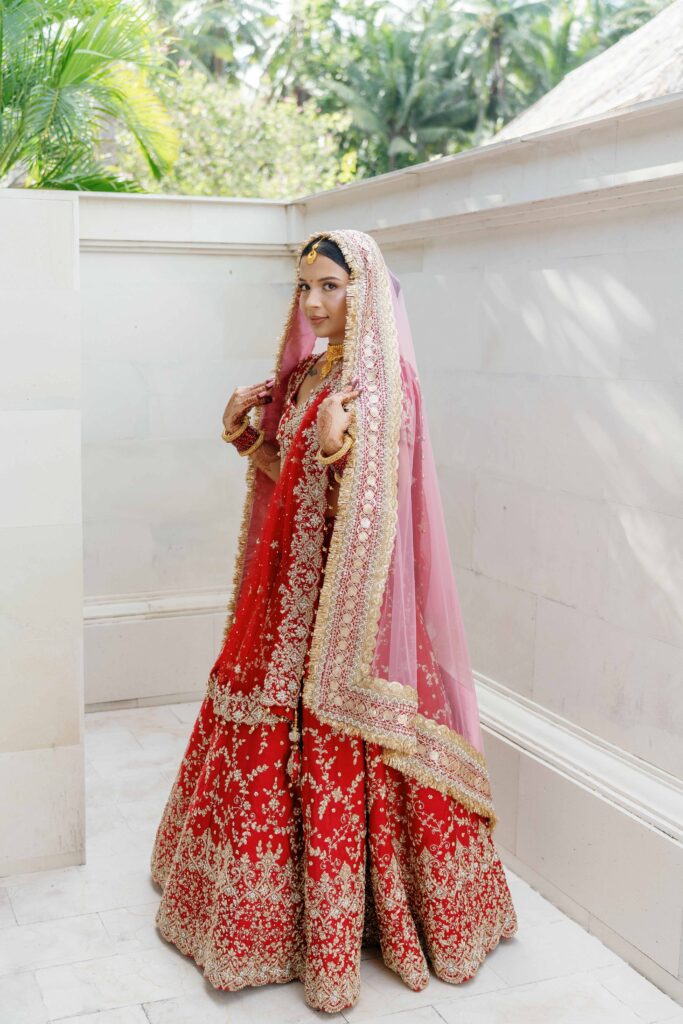
How Much Does an Indian Wedding in Bali Cost?
Costs vary significantly based on guest count, venue, and the number of ceremony days. As a general reference:
Budget range: $30,000–$60,000
Smaller guest count, villa setting, 2-day celebration
Mid range: $60,000–$100,000
Resort venue, 3 days, 80–150 guests, full vendor team
Luxury range: $100,000–$200,000+
Conrad Bali or equivalent, 3–4 days, 150–300 guests, international vendors
The biggest cost variables are catering (per head), venue hire across multiple days, accommodation for guests, and whether vendors are flown in internationally.
Most Bali venues require a dedicated wedding planner for Indian weddings — this is not optional for a multi-day celebration of this complexity.
What a 3-Day Indian Wedding in Bali Actually Feels Like
Day 1: Mehendi
Mehendi sets the tempo for everything that follows. It is soft, unhurried, and centered on the bride — often the most intimate event of the entire celebration. Guests settle in. Families begin to connect. The henna takes hours to apply, and in those hours the wedding quietly begins.
As a photographer, Mehendi requires patience more than anything else. The moments are small and accumulate slowly. The best images from Mehendi are almost never the ones anyone planned for.
Day 2: Sangeet
Everything shifts on the second evening. Sangeet is where the energy opens up — music, dancing, performances from both families, the kind of laughter that fills a room and refuses to leave. In Bali, this often takes place in a resort ballroom transformed for the night, and the contrast between the tropical setting outside and the celebration inside creates something particular.
Sangeet rarely runs exactly on schedule. The best moments usually happen between the planned performances — a reaction in the audience, a child who has wandered off-program, two people caught in a private moment at the edge of the room.
Day 3: The Ceremony
The ceremony is the emotional core of everything. At venues like Conrad Bali, the Infinity Chapel creates a setting that feels outside of time — open-sided, facing the ocean, natural light falling across the mandap.
The key rituals — Varmala, Kanyadaan, Saptapadi, Sindoor and Mangalsutra — each carry their own emotional weight. Kanyadaan in particular tends to be the moment the atmosphere shifts completely. Conversations fall quiet. The weight of what is happening becomes impossible to ignore.
By the time the ceremony completes, the three days before it have earned that moment.
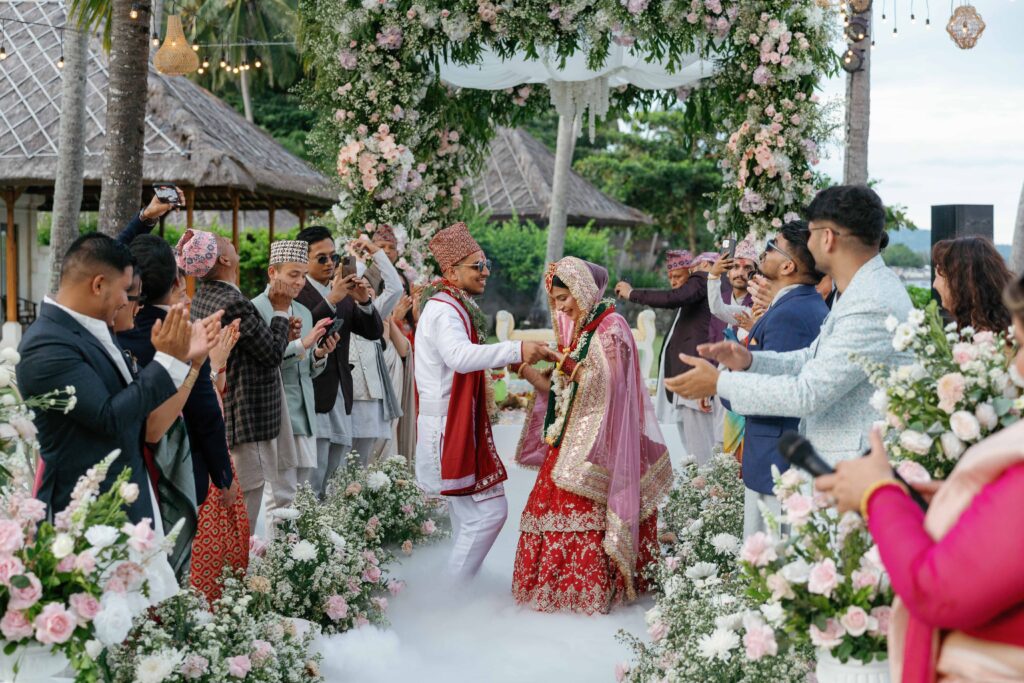
Photography for an Indian Wedding in Bali
Indian weddings are among the most technically demanding events to photograph — rapid lighting changes, fast-moving rituals, bold color palettes, and a ceremony structure that shifts emotional register without warning.
The most important thing to look for in a photographer is not just technical skill, but cultural understanding. A photographer who knows the structure of a multi-day Indian celebration — who understands when Kanyadaan is coming, what Sangeet energy feels like, and how to move through Haldi without disrupting it — will capture what actually happened, not just what it looked like.
At Luxima, we have documented Indian weddings in Bali and internationally, including in Canada. Every celebration is different, but the emotional architecture of Hindu and Muslim Indian weddings follows patterns that reward experience.
For a closer look at how an Indian wedding ceremony in Bali unfolds, read this: Indian Wedding Ceremony in Bali: Rituals, Flow & What to Expect
Pro Tips for Planning an Indian Wedding in Bali
Build buffer time into every day. Indian weddings run on emotion, not schedules. The best moments often happen in the spaces between events. Give each day room to breathe.
Choose your planner based on Indian wedding experience specifically. Not every Bali wedding planner has coordinated a multi-day Indian celebration. Ask directly about their experience with the ceremonies you are planning.
Golden hour is non-negotiable for portraits. Whether you are at Conrad Bali or Tirtha, the best portrait light in Bali happens in the 30–40 minutes before sunset. Build this into the schedule and protect it.
Brief your photographer on family rituals. Even an experienced Indian wedding photographer benefits from knowing which specific customs your family follows. A short briefing before each day makes a meaningful difference.
Sangeet lighting is a photography variable. If you care about your Sangeet images, discuss the lighting setup with your venue and photographer before the event. Venue lighting is often insufficient for the kind of photography Indian weddings deserve.
FAQ — Indian Wedding in Bali
Why choose Bali for an Indian wedding?
Bali offers the combination of luxury venue infrastructure, experienced vendor networks, and a natural atmosphere that slows everything down — making it one of the best destinations for multi-day Indian weddings outside of India.
How much does an Indian wedding in Bali cost?
Most Indian weddings in Bali range from $30,000 to $200,000+ depending on guest count, venue, and number of ceremony days. Most couples start with a custom quote from their chosen venue and planner.
When is the best time for an Indian wedding in Bali?
The dry season (April–October) is ideal for outdoor ceremonies and portraits. Peak months are July–August. For Sangeet and indoor events, the wet season (November–March) is still very manageable.
Do we need a wedding planner for an Indian wedding in Bali?
Yes. A multi-day Indian wedding requires a planner who understands the ceremony sequence, vendor coordination across multiple days, and the logistics of hosting international guests. This is not optional for a celebration of this complexity.
What makes Indian wedding photography in Bali different?
The scale, speed, and emotional depth of Indian weddings require a photographer with specific experience in this context — not just general wedding photography. Cultural understanding, anticipation of rituals, and the ability to move through a ceremony without disrupting it are the things that matter most.
Explore real Indian wedding stories from Luxima:
Saloni & Rohit — Indian Wedding at Conrad Bali
Indian Wedding Ceremony in Bali: Rituals, Flow & What to Expect
Saloni & Viren — Hindu Indian Wedding in Vancouver
Planning your Indian wedding in Bali? Reach out to Luxima here.


